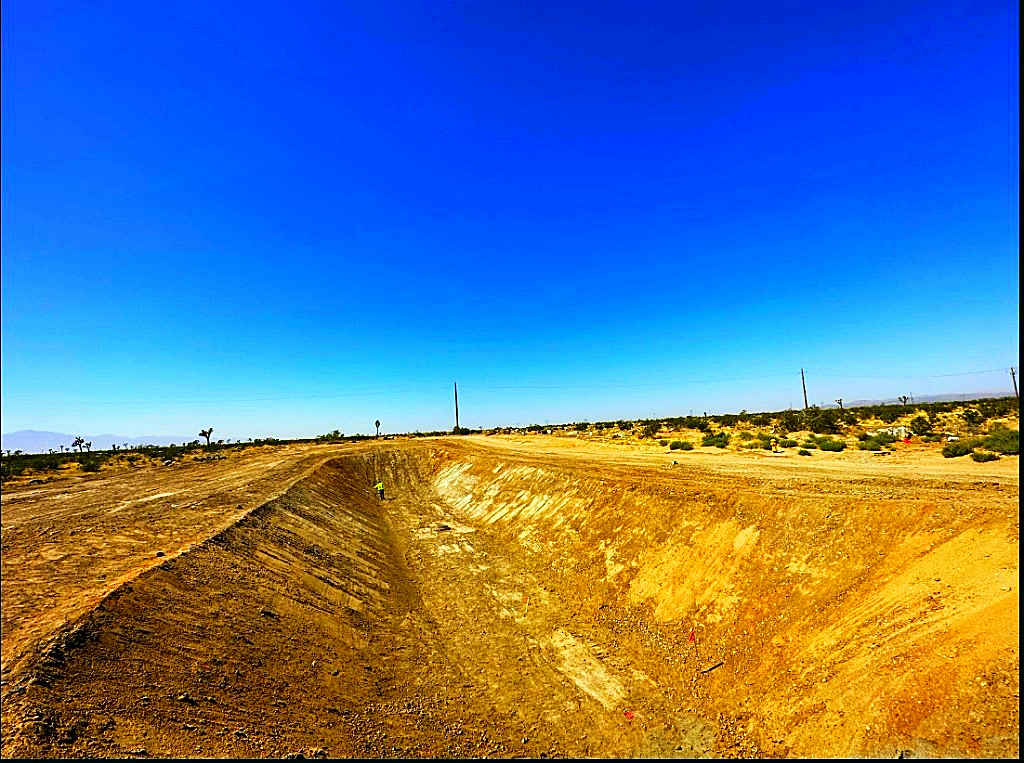
Commercial sitework in Riverside begins with understanding the soils beneath your pad. Alluvial deposits across Riverside County vary in compaction characteristics, and geotechnical reports define the moisture conditioning, lift thickness, and density testing required before structural footings or paving subgrades are approved. Skipping this step on warehouse and retail projects leads to settlement, failed inspections, and schedule delays that ripple through every downstream trade.
Riverside's seasonal rainfall makes SWPPP compliance a year-round concern on active grading sites. BMPs must remain functional throughout construction, and track-out control on commercial corridors protects both agency standing and adjacent business operations. Developers and GCs who treat erosion control as an afterthought face stop-work orders that halt grading until compliance is restored.
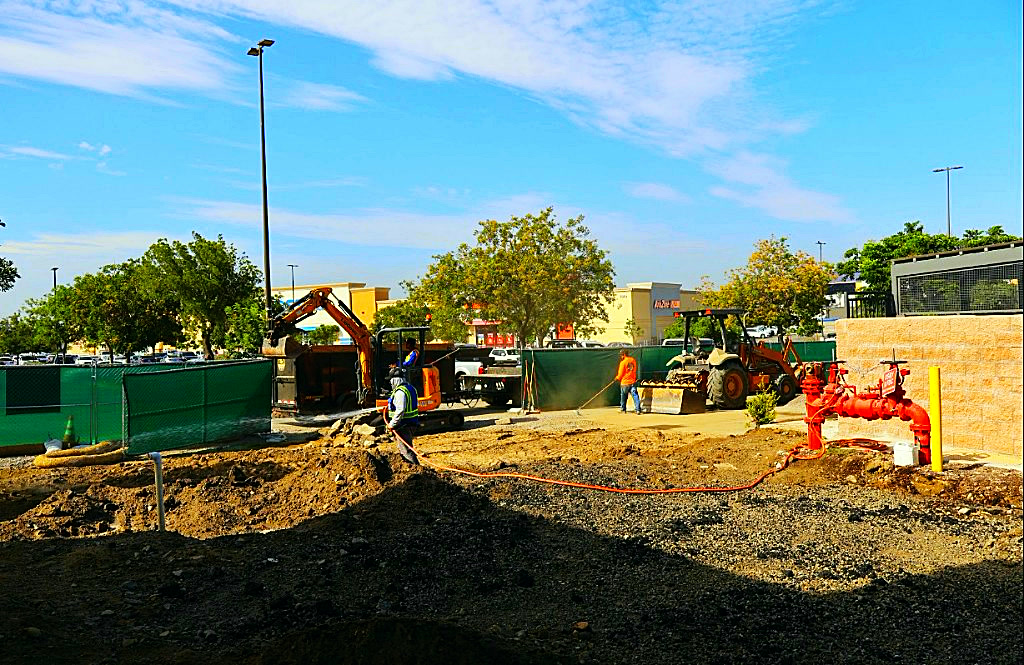
Utility sequencing is another critical factor on Riverside commercial parcels. Wet and dry utility installation must align with mass excavation, trench backfill, and fine grading phases. Earthwork contractors who run ahead of utility relocation create conflict, damage, and costly rework on developer-led schedules.
Finally, Riverside commercial projects increasingly require phased execution near occupied retail and industrial operations. Dust control, access management, and after-hours paving windows must be planned during pre-bid — not improvised after mobilization. Mendozer X Earthworks Inc. documents phasing assumptions upfront so your GC team can hold tenant delivery and certificate-of-occupancy dates.