
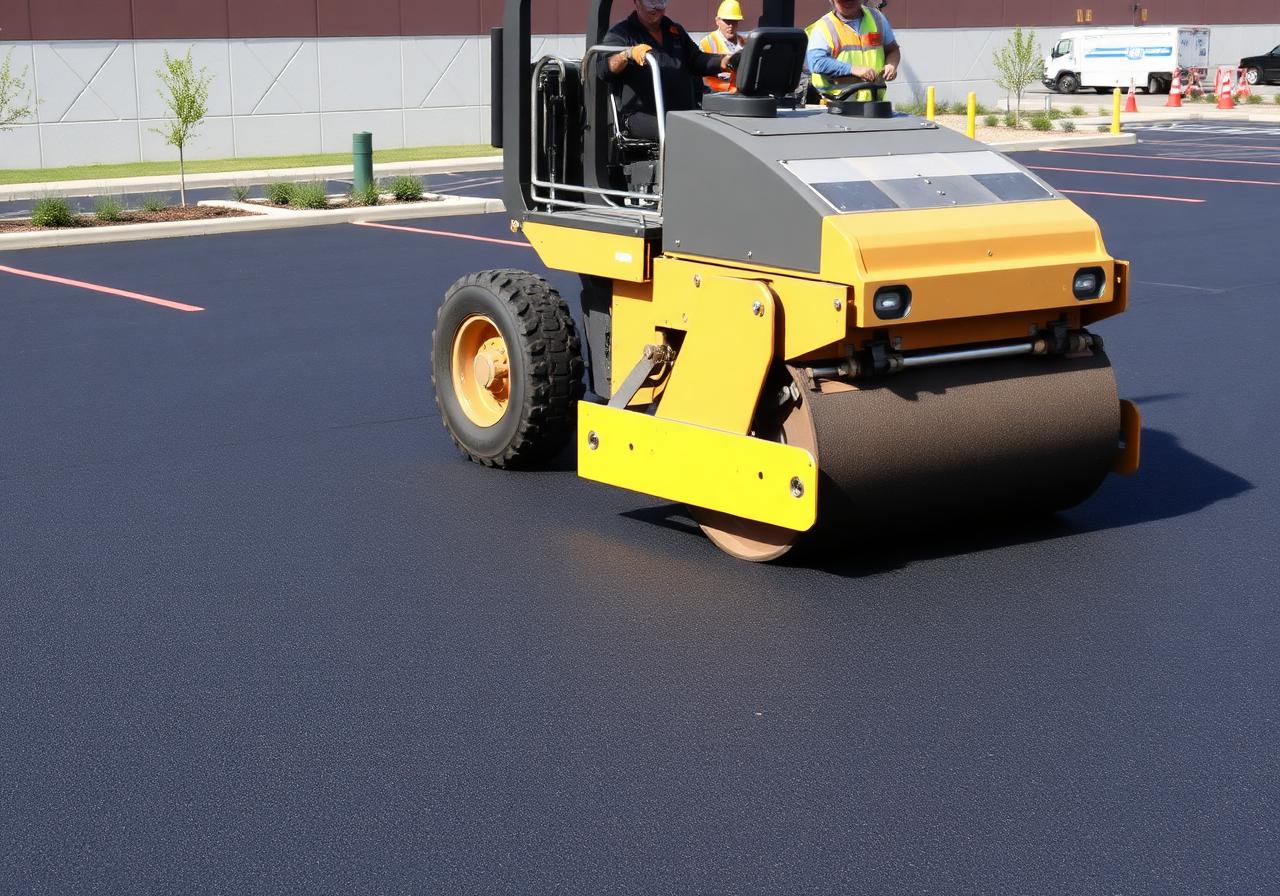
New Asphalt Installation
Full-depth asphalt pavement construction from subgrade preparation through surface course — built to civil engineering specifications for new commercial developments.
Commercial Asphalt Paving
New asphalt installation, overlays, parking lots, drive aisles, access roads, industrial yards, patch repairs, resurfacing, and striping coordination for developers, general contractors, and project managers. Base preparation, subgrade proof-rolling, compaction testing, and inspection hold points are built into every paving scope across the Inland Empire, Orange County, and Los Angeles County.
Quick answer: Mendozer X Earthworks Inc. is a licensed commercial asphalt paving contractor in Southern California providing new asphalt installation, overlays, parking lots, drive aisles, access roads, industrial yards, patch repairs, resurfacing, and striping coordination for warehouse, retail, industrial, and municipal projects.
Try It
Tap each layer to see what sits below the asphalt — explained in plain language, from the surface you drive on down to the prepared ground.
A commercial parking lot is more than a flat black surface. Tap each layer to see what's underneath.
What you drive and walk on
This is the smooth black asphalt you see in the parking lot — where cars park and people walk.
Why it matters: A good surface stays flat, drains water, and holds up to daily traffic without cracking.
Education
Commercial paving is a structural system — not a surface coating. A distribution center truck court carries wheel loads and turning forces far exceeding a retail parking stall. The pavement section — subgrade preparation, aggregate base thickness, binder course depth, and surface course specification — must be engineered for the traffic it will carry. Asphalt placed over an under-compacted base or without proper drainage grades fails within the first maintenance cycle, triggering warranty claims and costly reconstruction.
The commercial paving process begins before asphalt arrives on site. Subgrade must be proof-rolled and certified. Aggregate base is placed and compacted to geotechnical specifications. Drainage structures are set and verified. Cross-slopes and flow lines are established so water moves to approved inlets — not ponding in parking stalls or ADA-accessible routes. Only then are asphalt lifts placed, rolled to specified density, and jointed for traffic.
Paving also intersects with project closeout. Striping coordination, ADA compliance, fire lane markings, and drainage acceptance must be sequenced with the paving schedule to meet certificate of occupancy and lease commencement dates. Mendozer X Earthworks Inc. executes commercial paving with these considerations built into scope — so developers, GCs, and municipalities get pavement that passes inspection and performs under decades of commercial traffic.
Root Causes
Asphalt placed over under-compacted aggregate base compresses under commercial truck loads, causing rutting and structural pavement failure within the first maintenance cycle.
Parking lots finished without proper cross-slope and flow lines create standing water, ADA slope violations, and accelerated deterioration at low points.
Resurfacing over cracked or unstable existing pavement without proper milling depth, crack seal, or tack coat transfers defects into the new overlay.
Asphalt lifts placed below civil plan thickness or with incorrect mix design fail core testing and fatigue under heavy wheel loads in truck courts.
Paving over uncapped cleanouts, shallow utilities, or undetected drainage structures causes settlement hollows and access conflicts after traffic opens.
Full-lot paving on occupied commercial properties without phased traffic control blocks tenant access and delays certificate of occupancy.
Warning Signs
Developers and GCs should address these warning signs before they trigger inspection holds, change orders, or schedule slips.
Rutting and shoving in truck courts, drive aisles, or dumpster enclosures under commercial delivery traffic signals pavement section failure.
Standing water or bird baths in parking stalls — especially near ADA-accessible routes — indicates drainage grade problems requiring rehabilitation.
Alligator cracking, edge deterioration, or reflective cracking across an aging commercial parking lot means overlay or reconstruction is overdue.
Failed asphalt core samples or density tests during agency or GC quality control inspection require immediate remediation.
Certificate of occupancy or lease commencement at risk because paving, striping, or ADA ramp work is incomplete.
Pavement settlement over buried utilities, valve boxes, or cleanouts creating trip hazards and warranty claims.
Fire lane or accessible route markings out of compliance with updated ADA and California Building Code requirements.
Tenant complaints about deteriorated pavement affecting customer access, deliveries, or liability exposure on commercial sites.
Site Evaluation
Common Issues
Paving placed over under-compacted aggregate base causes rutting and fatigue cracking under commercial truck loads within months of completion.
Parking lots finished without proper cross-slope and flow lines create standing water, ADA violations, and accelerated pavement deterioration.
Resurfacing over cracked or unstable existing pavement without proper milling and crack treatment transfers defects to the new surface.
Asphalt lifts placed below civil plan thickness — especially in truck courts and industrial yards — fail prematurely under heavy wheel loads.
Paving completed without striping coordination or ADA accessible route verification delays certificate of occupancy on commercial projects.
Full-lot paving on active commercial sites without traffic control phasing blocks tenant access and delays project closeout.
Service Breakdown
Commercial asphalt paving is the installation and rehabilitation of asphalt pavement — including new construction, overlays, parking lots, drive aisles, access roads, and industrial yards — executed with proper base preparation, drainage grading, compaction, and coordination with striping and ADA compliance requirements.
Full-depth asphalt pavement construction from subgrade preparation through surface course — built to civil engineering specifications for new commercial developments.
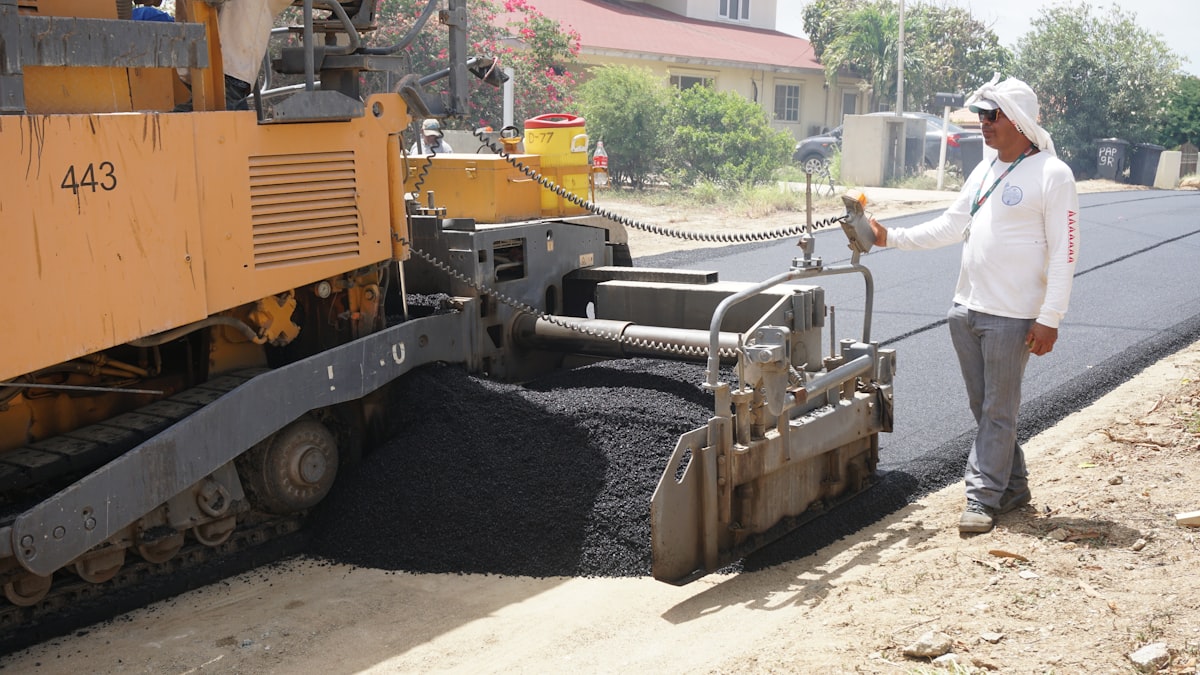
Mill-and-overlay and resurfacing of existing commercial parking lots to restore ride quality, correct drainage, and extend pavement service life without full reconstruction.

New and rehabilitated commercial parking lots with proper base courses, drainage grading, and pavement sections sized for expected traffic loading.
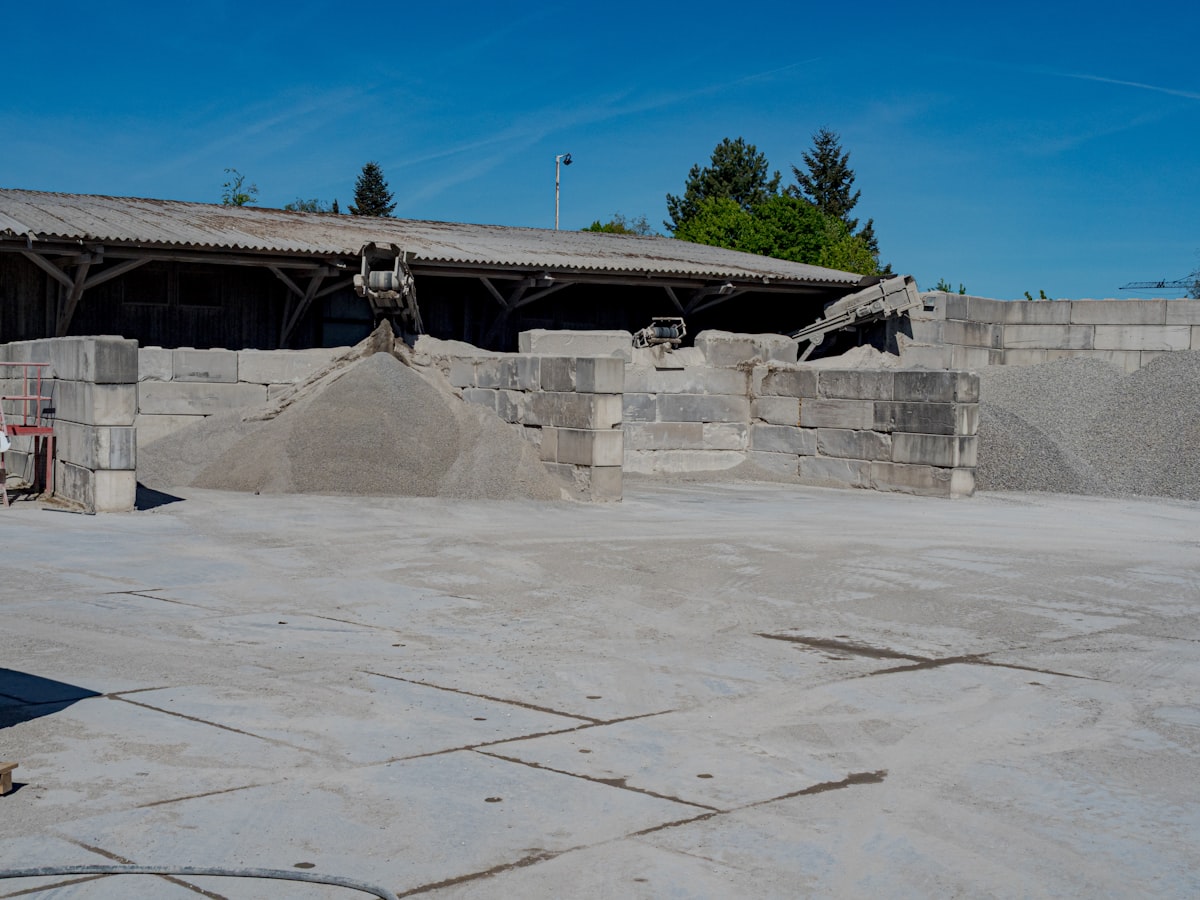
Asphalt paving for on-site drive aisles and circulation routes — engineered for commercial vehicle turning movements and daily delivery traffic.

On-site and off-site access road paving tied to civil plan profiles, drainage structures, and agency improvement requirements.
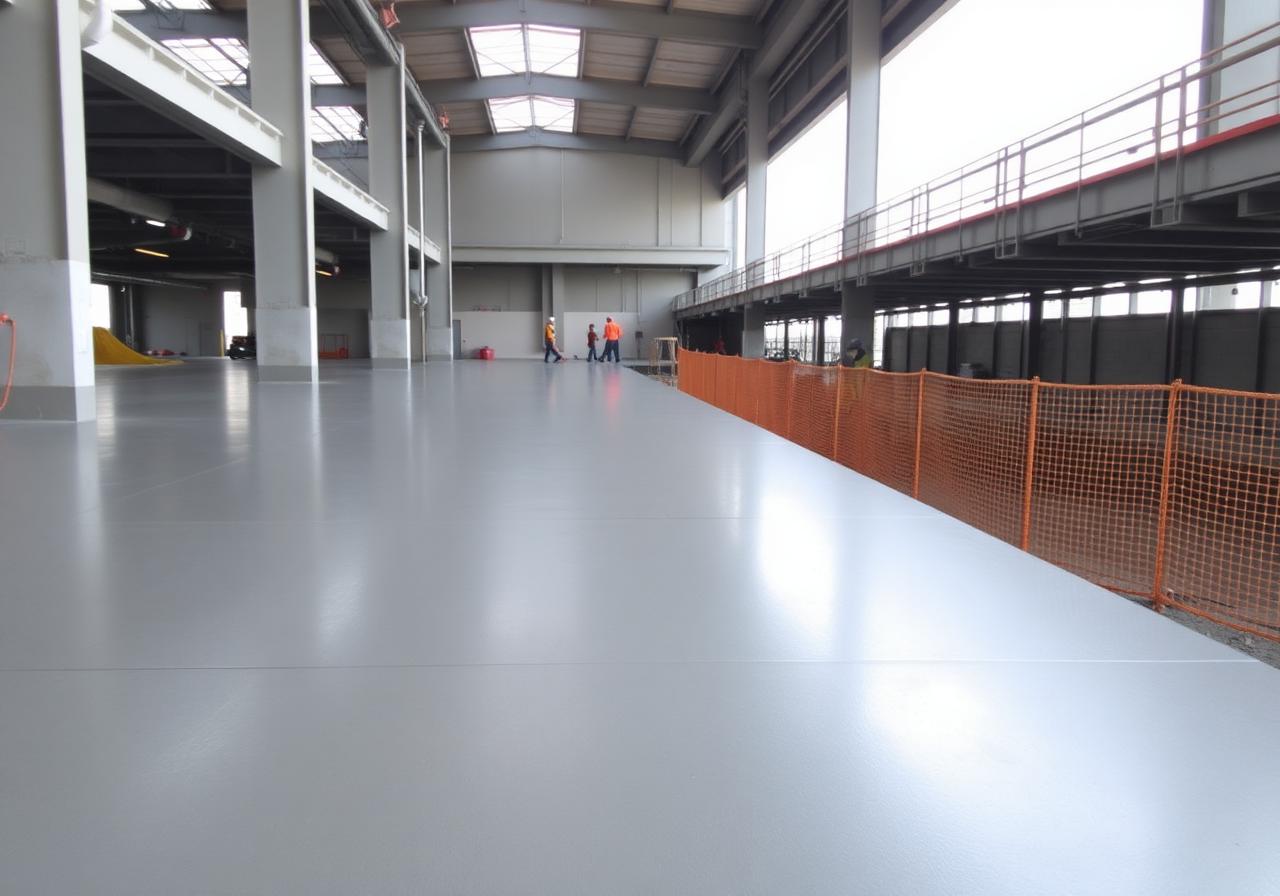
Heavy-duty pavement sections in truck courts, loading areas, and industrial yards designed for commercial vehicle loads and high-frequency traffic.
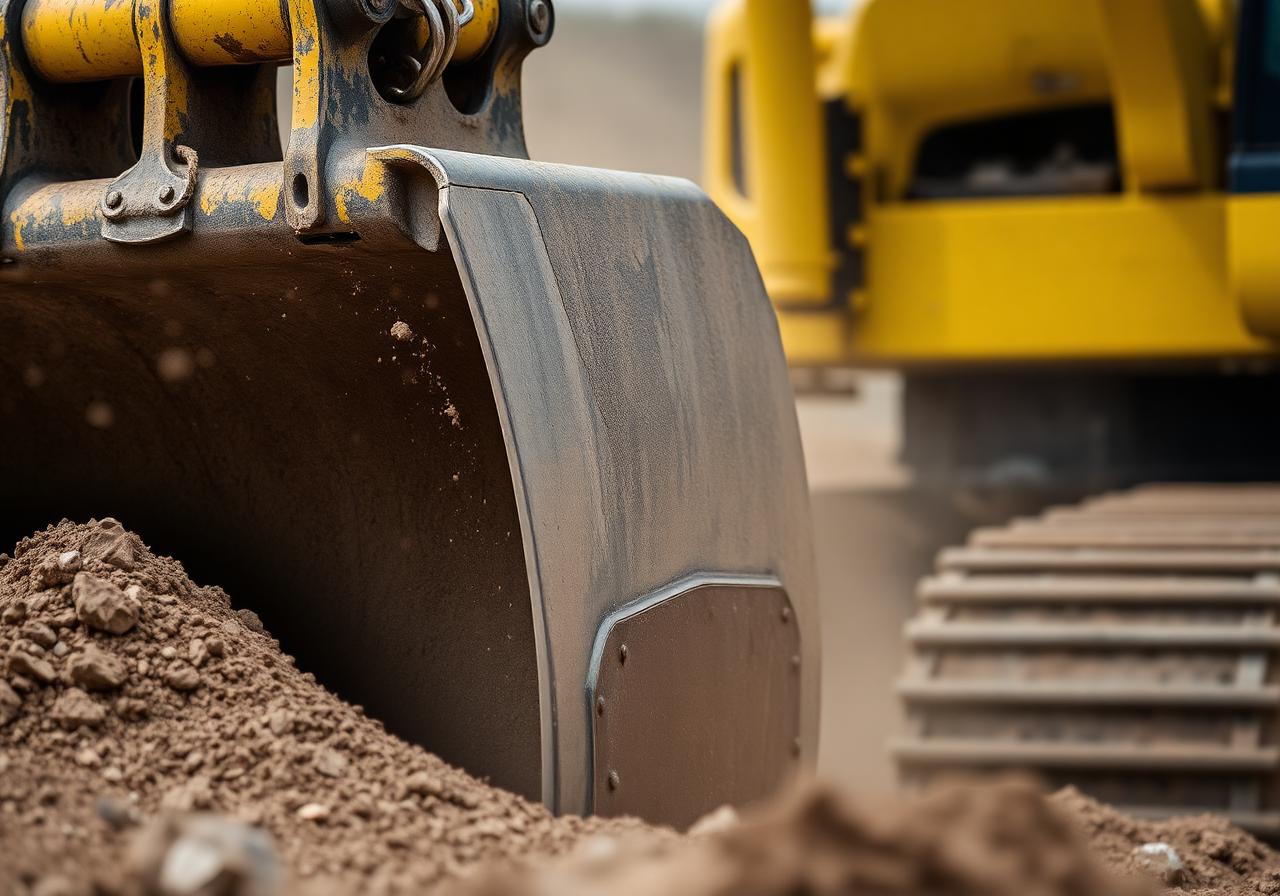
Full-depth patching and localized repair of failed pavement sections on commercial and industrial properties — addressing rutting, cracking, and settlement before they spread.
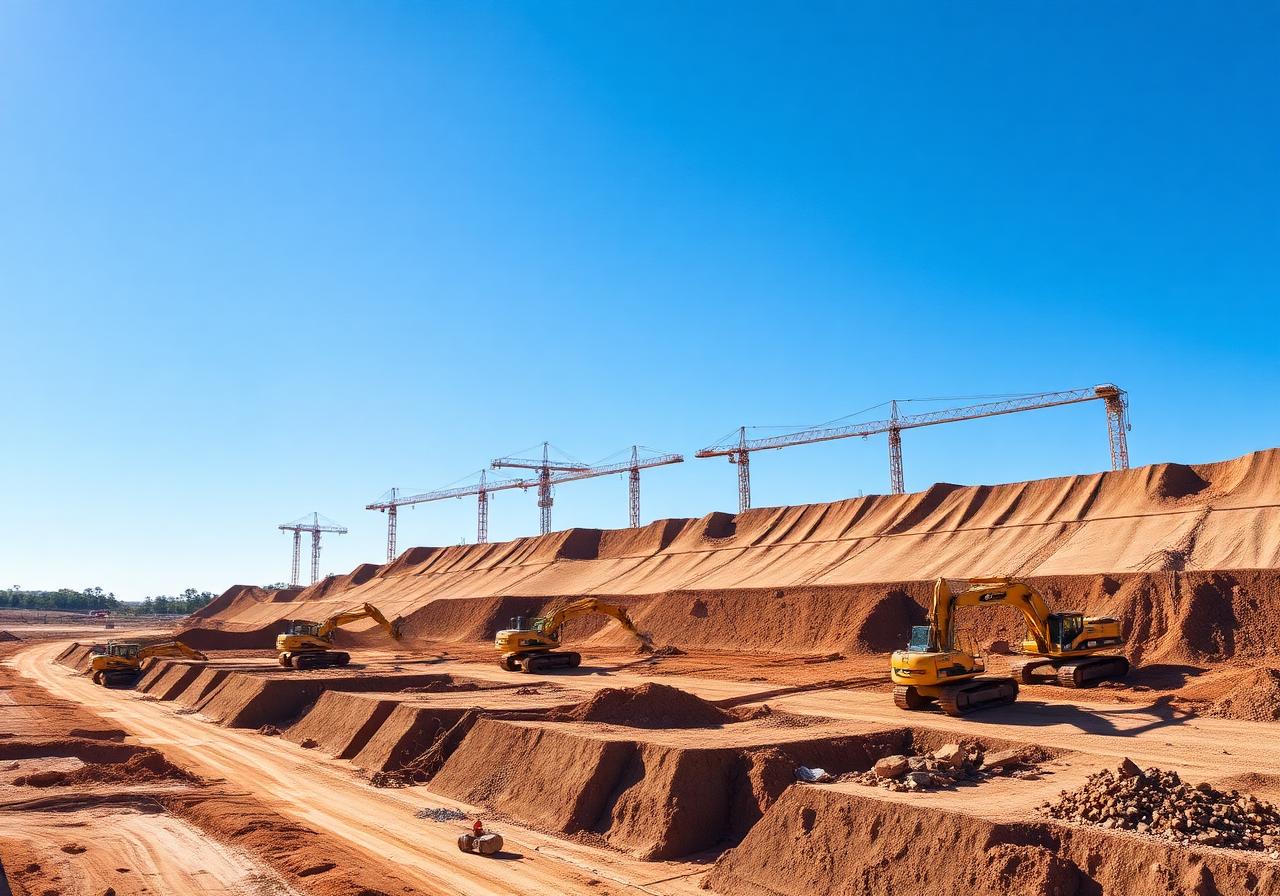
Surface rehabilitation of aging commercial pavement to restore ride quality, seal surface cracks, and extend service life on budget-conscious renovation scopes.
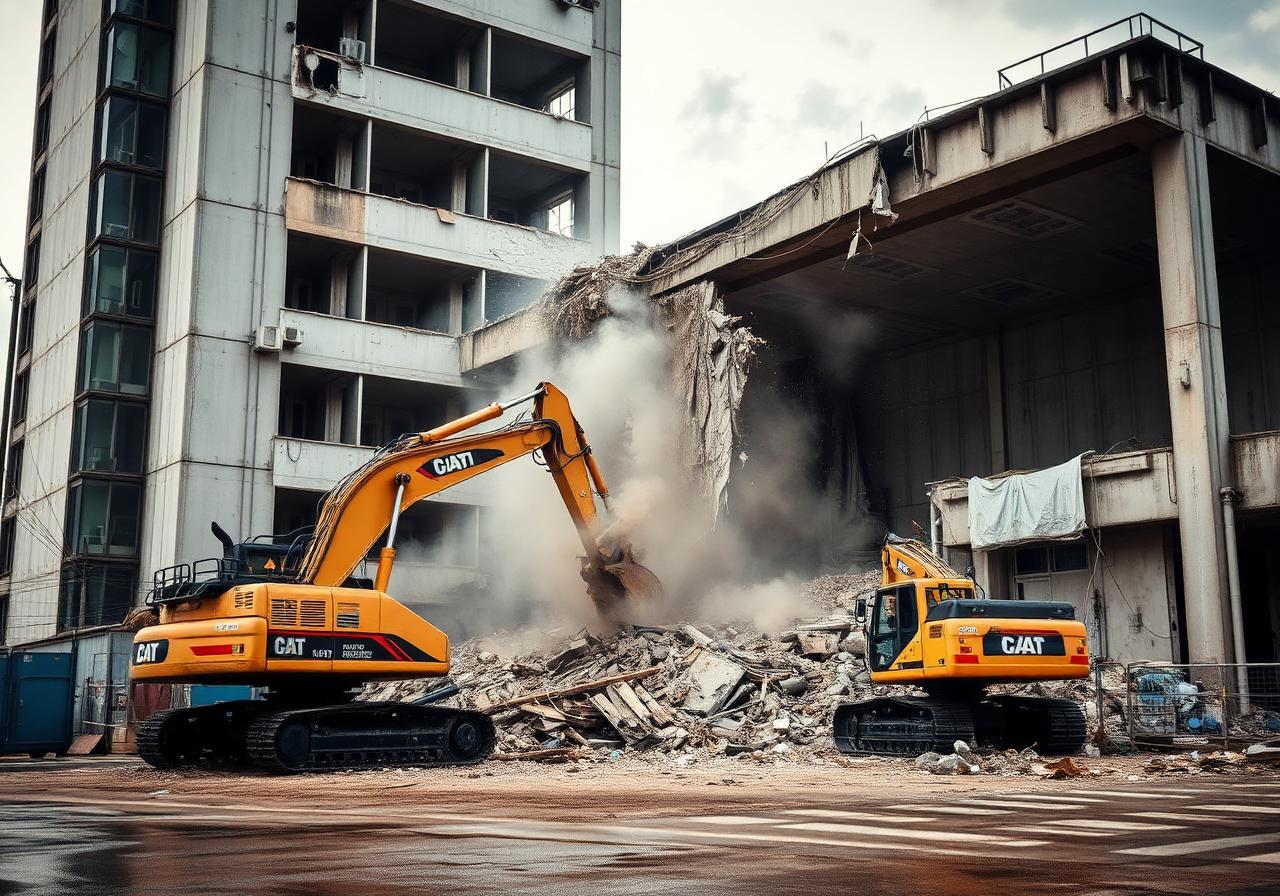
Placement and compaction of crushed aggregate base course to geotechnical specifications before asphalt paving mobilization begins.
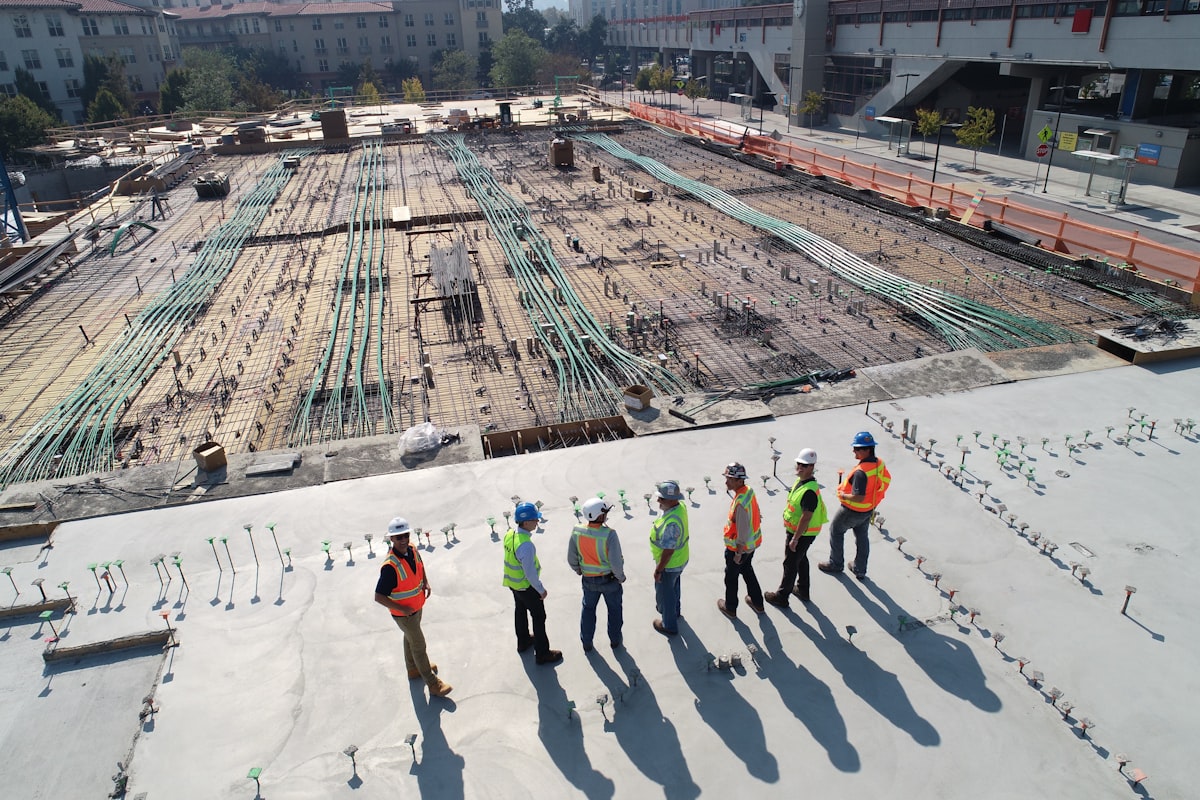
Paving graded and sequenced around ADA-compliant curb ramps, accessible routes, and detectable warning surfaces. Placeholder — additional compliance documentation coming soon.
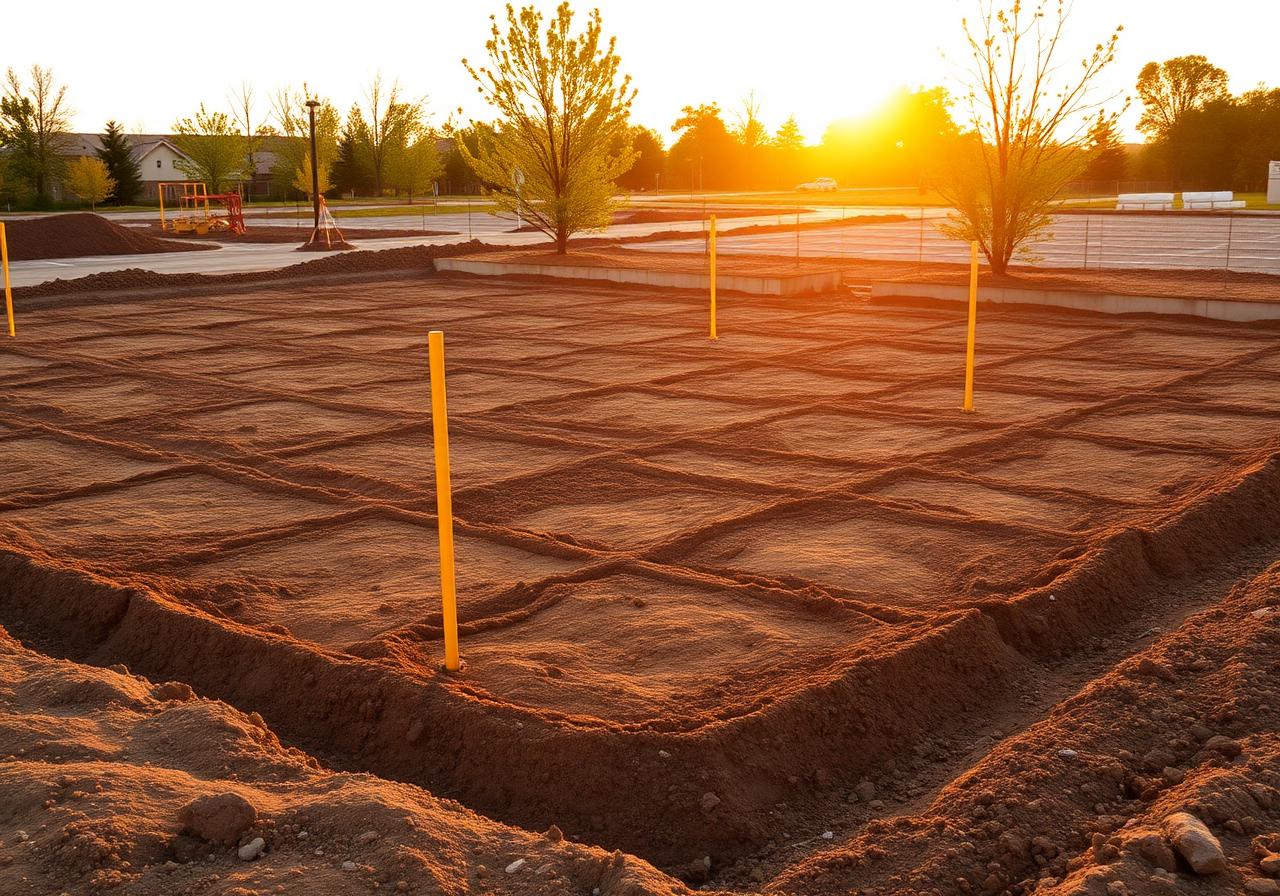
Pavement graded to civil plan cross-slopes and flow lines with positive drainage to storm drain inlets, catch basins, and approved drainage infrastructure.
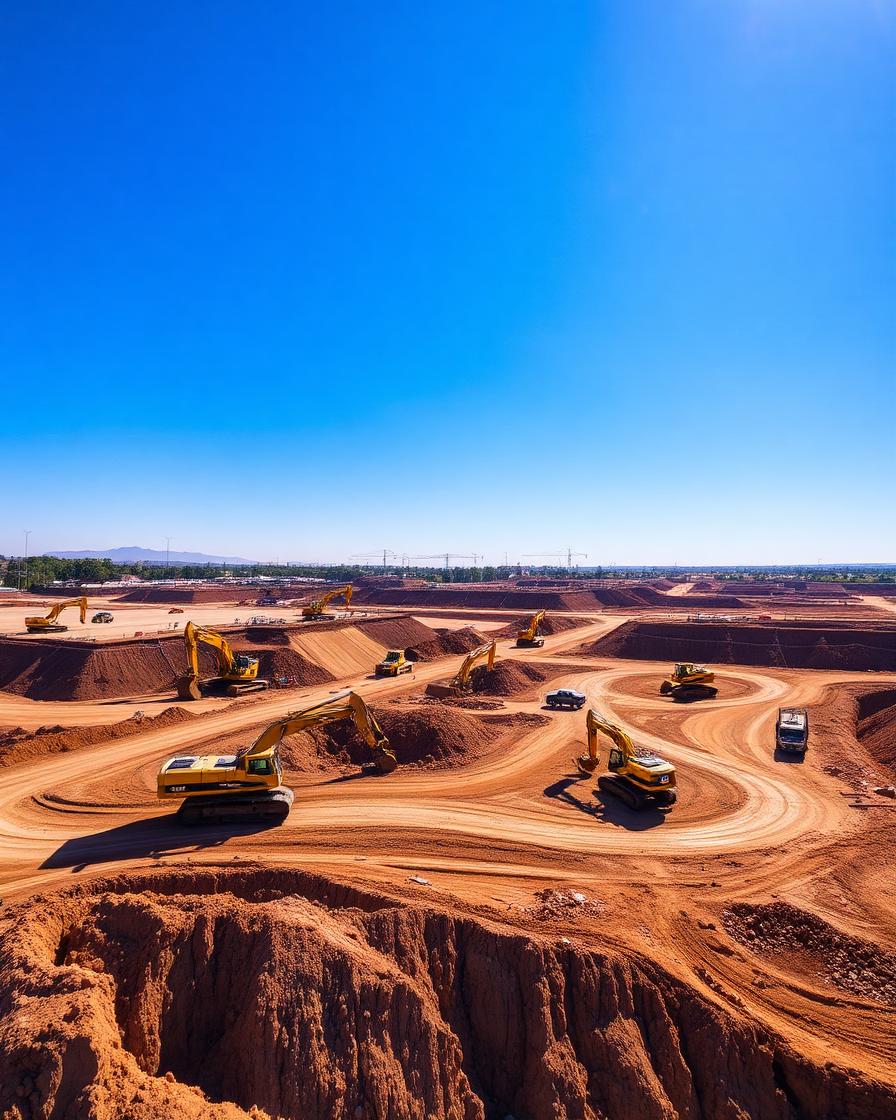
Paving completion sequenced with striping contractors for stall layout, fire lanes, directional arrows, and pavement markings per project plans.
Scope
Our Process
Every commercial scope follows the same preconstruction, field execution, and closeout sequence — sequenced with your GC schedule and inspection milestones.
Site walks, plan review, specifications, estimating, and schedule alignment before mobilization.
Preconstruction
Superintendent and estimator walk the parcel with your project team. We review civil grading plans, geotechnical recommendations, SWPPP requirements, haul routes, staging limits, and adjacent operations before your bid due date — so quantities and production assumptions reflect actual field conditions.
Deep Dive
Commercial paving follows a defined sequence: subgrade proof-rolling, aggregate base placement and compaction, drainage structure verification, asphalt binder and surface course placement, compaction density testing, and striping coordination. Each step depends on the previous one. Asphalt placed over an unproofed subgrade or without verified drainage grades will fail — regardless of mix quality or lift thickness.
Overlay and resurfacing scopes require additional evaluation. Existing pavement must be assessed for structural capacity, crack patterns, and drainage performance. Proper milling depth, crack sealing, and tack coat application determine whether an overlay performs or simply covers defects that reflect through within months. Mendozer X Earthworks Inc. evaluates existing pavement during pre-bid walks and recommends overlay, patch, or full reconstruction based on actual conditions — not a one-size-fits-all approach.
Drainage is the most common paving deficiency on commercial sites. Cross-slopes must direct runoff to approved inlets. Low points in parking stalls create ponding that accelerates asphalt deterioration and fails ADA review. Industrial yards require heavier pavement sections but equally precise drainage grades. Striping and ADA compliance coordination must be built into the paving schedule — not added after the lot is open to traffic. Commercial paving is the final site improvement that determines whether a development is operational, compliant, and durable.
Commercial developers and GCs should treat pavement as a structural system with drainage, compliance, and closeout requirements — not a cosmetic finish. Properly designed, compacted, drained, and striped asphalt protects tenant satisfaction, reduces warranty exposure, and keeps the site operational for decades of commercial traffic.
Mendozer X Earthworks Inc. provides honest pre-bid pavement walks and itemized estimates. We do not pad tonnage, recommend unnecessary full reconstruction, or scope mill-and-overlay when patching will hold spec. If your parking lot needs a phased overlay, a narrower repair scope, or drainage correction before resurfacing, we document that upfront — with what is required to pass inspection and meet tenant occupancy.
Why Mendozer X
Full-depth pavement construction from subgrade through surface course to civil specifications.
Mill-and-overlay and resurfacing to restore ride quality on aging commercial lots.
New and rehabilitated parking areas with proper base courses and drainage grading.
Circulation paving engineered for commercial vehicle turning and delivery traffic.
On-site and off-site access paving tied to civil profiles and agency requirements.
Heavy-duty pavement sections for truck courts and high-frequency loading areas.
Localized full-depth patching before defects spread across the pavement section.
Pavement graded to civil plan slopes with positive drainage to storm structures.
Paving sequenced with striping for stalls, fire lanes, and ADA-compliant markings.
"Mendozer X Earthworks Inc. phased our distribution center parking lot overlay without disrupting truck traffic. Clean pavement, passed core testing, and striping was coordinated for lease commencement on schedule."
Yes. We construct full-depth asphalt parking lots for warehouses, retail centers, office parks, and industrial facilities — from aggregate base installation through final surface course placement and compaction.
Yes. We perform mill-and-overlay and resurfacing of existing commercial parking lots to restore ride quality, correct drainage issues, and extend pavement service life. We evaluate existing pavement during pre-bid to confirm overlay is appropriate.
Yes. We install asphalt paving for on-site drive aisles, circulation routes, fire lanes, and access roads tied to civil plan profiles and drainage structures.
Yes. We install reinforced pavement sections in truck courts, loading areas, and industrial yards designed for commercial vehicle loads and high-frequency turning movements per civil engineering plans.
Paving is graded to civil plan cross-slopes and flow lines, directing runoff to approved storm drain inlets. We verify positive drainage before final compaction and surface acceptance.
Yes. We sequence paving completion with striping contractors for stall layout, fire lane markings, directional arrows, ADA-compliant striping, and pavement markings per project plans.
Yes. We grade and sequence paving around ADA-compliant curb ramps, accessible routes, and detectable warning surfaces. Placeholder — additional compliance documentation will be added as confirmed.
Yes. We routinely phase paving on occupied commercial properties with traffic control plans, partial lot closures, and sequenced work zones that maintain tenant and construction access.
Thickness varies by traffic loading, subgrade conditions, and project specifications. Typical parking stalls range from 2.5 to 3 inches of asphalt over aggregate base, while truck courts and industrial yards require thicker sections — confirmed during plan review.
Yes. We perform full-depth patching and localized repair of failed pavement sections — addressing rutting, cracking, and settlement before defects spread.
Warehouses, distribution centers, retail centers, office parks, industrial facilities, municipal parking areas, and multifamily parking structures across the Inland Empire, Orange County, and Los Angeles County.
We serve the Inland Empire, Orange County, and Los Angeles County — including Riverside, Corona, Ontario, Rancho Cucamonga, San Bernardino, Anaheim, Irvine, Orange, Los Angeles, and Long Beach.
Service Areas
Mendozer X Earthworks Inc. mobilizes across the Inland Empire, Orange County, and Los Angeles County for commercial excavation, grading, demolition, paving, concrete, and site development.
Get Started
Request a site walk and itemized estimate for your developer or GC-led project across Southern California.
Ready to Break Ground
Get a fast, no-obligation estimate for your next commercial project. We handle excavation, grading, demolition, paving, and concrete from the Inland Empire to LA County.