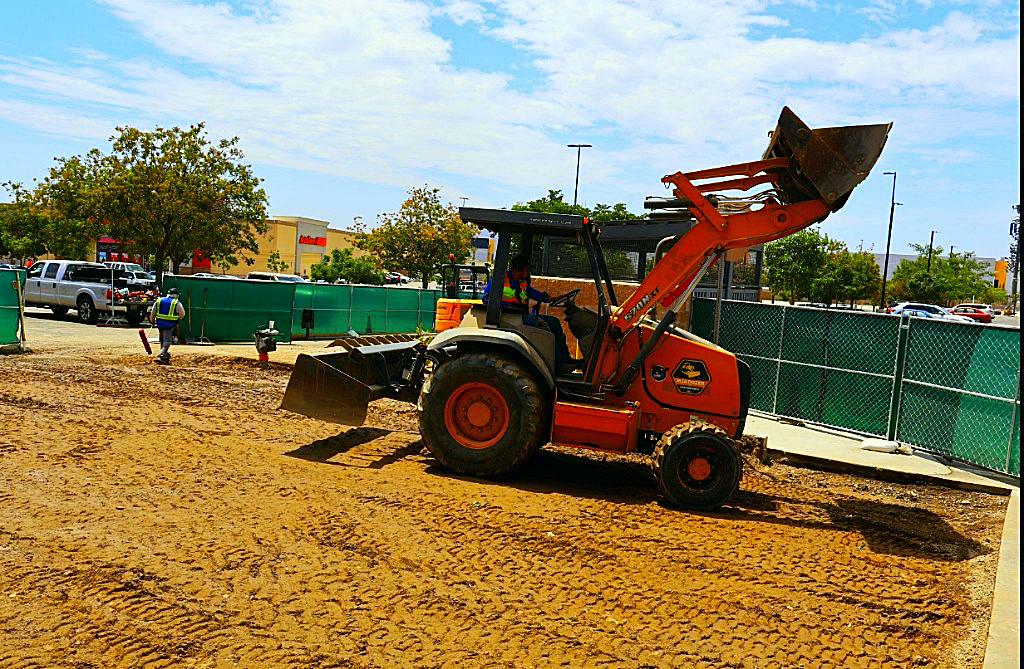
Rough Grading
Large-area rough grading establishes site balance, pad layout, and drainage patterns before compaction and finish grading begin. On commercial parcels, rough grade sets the foundation for every downstream trade.
Commercial Grading & Earthwork
Rough grading, finish grading, engineered pad preparation, soil compaction, over-excavation, recompaction, and pad certification for commercial developers, general contractors, and project managers across the Inland Empire, Orange County, and Los Angeles County. Mendozer X Earthworks Inc. self-performs earthwork with preconstruction quantity review, SWPPP coordination, and inspection-ready production.
Quick answer: Mendozer X Earthworks Inc. is a licensed commercial grading contractor in Southern California providing rough grading, finish grading, engineered pad preparation, over-excavation, recompaction, soil compaction, pad certification support, erosion control, and GPS-guided grading for warehouse, retail, industrial, and municipal projects.
Try It
Adjust cut/fill depth, expansion, and shrink factors to see bank, loose, and compacted cubic yard differences — and why geotechnical reports matter before bid packages go out.
Clay and wet soils expand when excavated. Material that measures 1,000 bank cubic yards (BCY) in the ground can swell to 1,250–1,350 loose cubic yards (LCY) in the truck depending on moisture and soil type. That difference drives export quantity, haul costs, and disposal fees. Soil type matters — expansive clays and wet silts swell more than granular material.
↓ See this concept reflected in the site graphic below
Conceptual planning tool — enter your project area and depths to estimate earthwork quantities
CY = Square Footage × Depth (ft) ÷ 27 · Super 10 trucks haul 10 CY per load (example: 1,000 CY ≈ 100 Super 10 loads). Adjust soil type below — expansive dirt changes export and import math.
Type any project area (1,000–500,000 sq. ft.) — the pad graphic scales with your land mass.
Soil type changes expansion and shrink. Clay and wet soils are more expansive; sandy and granular imports shrink more under compaction — use the presets or sliders to match geotech assumptions.
Excavation / Export (4 ft depth)
Without expansion factor: ~149 loads — underestimates haul by 37 loads at 25% swell
Earthwork quantities shown are conceptual planning estimates only. Final excavation, import, and export quantities vary based on geotechnical reports, existing field conditions, soil expansion and shrink factors, project revisions, and engineer-approved grading plans.
Education
On commercial projects, grading is not simply making a site level. It is the controlled execution of a civil engineering plan — establishing drainage patterns, balancing cut and fill, preparing engineered building pads, compacting structural fill lifts, and delivering certified subgrades that support decades of building and pavement performance. When grading is treated as a low-skill earth-moving task, the consequences show up later as settlement, ponding, failed compaction tests, and inspector holds that stop vertical construction.
Rough grading establishes site balance, pad layout, and drainage flow lines across the parcel. Finish grading brings those surfaces to final tolerances for compaction, paving, and foundation layout. Between those phases, over-excavation removes unsuitable soils, recompaction replaces them with engineered fill, and soil compaction brings each lift to specified density. Pad certification — coordinated with your geotechnical engineer — confirms the building pad is ready before footings or slabs are placed.
Southern California commercial sites demand this level of precision. Variable soils, agency inspection standards, SWPPP requirements, and tight urban logistics mean grading must be sequenced with soils engineers, civil engineers, and city inspectors from day one. Mendozer X Earthworks Inc. executes grading as commercial earthwork — not a preliminary step — so developers, GCs, and municipalities get pads that hold schedule and pass inspection the first time.
Root Causes
Mass grading that ignores on-site cut/fill balance drives unnecessary import and export hauling, inflating cost and extending schedule on large commercial parcels.
Structural fill placed too dry or too wet relative to proctor targets fails density tests. Each failed lift must be reworked before the next phase can proceed.
Removing unsuitable soils without approved backfill and recompaction plans creates voids, settlement risk, and pad certification delays.
Fine grading attempted before rough grade balance, compaction, and proof-rolling are complete produces unstable subgrades and repeated re-work.
Pads finished without proper slope-to-drain create ponding, ADA conflicts, and paving failures before surface improvements are installed.
BMP failures during active grading seasons bring agency citations and inspection holds that stop all sitework until compliance is restored.
Warning Signs
Developers and GCs should address these warning signs before they trigger inspection holds, change orders, or schedule slips.
Geotechnical reports showing compaction below specified minimum dry density require remediation before structural work can continue.
Standing water after rain indicates finished grade does not drain to approved flow lines — a red flag before foundations or paving begin.
Soft spots, pumping, or rutting during proof-roll observation mean lifts were not properly conditioned or compacted to spec.
Survey stakes or as-built elevations outside civil plan tolerances trigger inspector holds and foundation layout delays.
City or geotechnical holds on pad certification delay foundation mobilization and signal grading documentation or compaction gaps.
Visible rutting or settlement on structural pads after proof-rolling indicates inadequate recompaction or moisture conditioning.
Track-out, slope erosion, or sediment leaving the job site triggers SWPPP violations and agency enforcement on commercial projects.
Haul quantities exceeding bid assumptions due to poor site balance planning inflate earthwork budgets and trigger change order disputes.
Site Evaluation
Common Issues
Commercial grading requires engineered drainage, compaction, and certification — not simply pushing dirt flat. Skipping these steps creates settlement, ponding, and inspection failures.
Under-compacted lifts cause settlement after paving or slab placement. Commercial specs require proctor-coordinated moisture conditioning and density testing on every structural pad.
Unsuitable soils left in place or removed without approved recompaction produce soft pads that fail proof-rolling and delay foundation mobilization.
Pads finished without proper slope-to-drain create ponding, ADA conflicts, and paving failures. Finish grading must match civil plans before improvements are installed.
Missing geotechnical observation, incomplete compaction records, or failed proof-rolls hold vertical construction until the pad is re-worked and re-certified.
Inadequate BMP maintenance during grading seasons brings agency citations and stop-work orders that halt all sitework.
Service Breakdown
Commercial grading and earthwork is the process of shaping, balancing, compacting, and certifying a development site to civil and geotechnical plans — including rough grading, finish grading, engineered pad preparation, over-excavation, recompaction, and pad certification — before foundations, utilities, and paving begin.
Large-area rough grading establishes site balance, pad layout, and drainage patterns before compaction and finish grading begin. On commercial parcels, rough grade sets the foundation for every downstream trade.
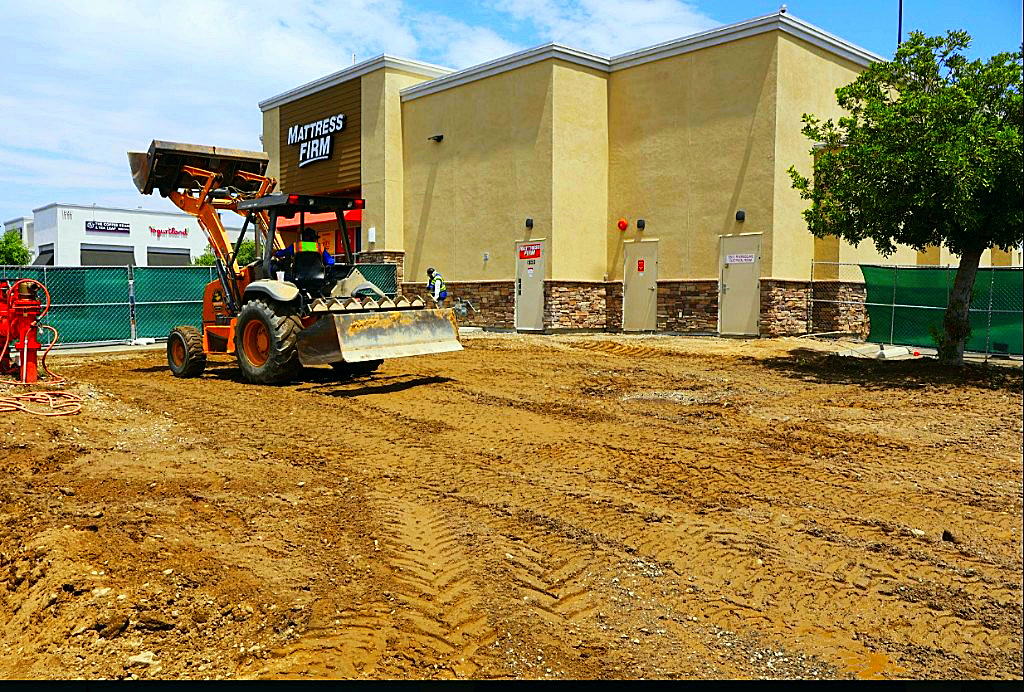
GPS and laser-guided finish grading brings building pads, parking areas, and access roads to final civil plan tolerances — the elevations inspectors, surveyors, and structural teams rely on.
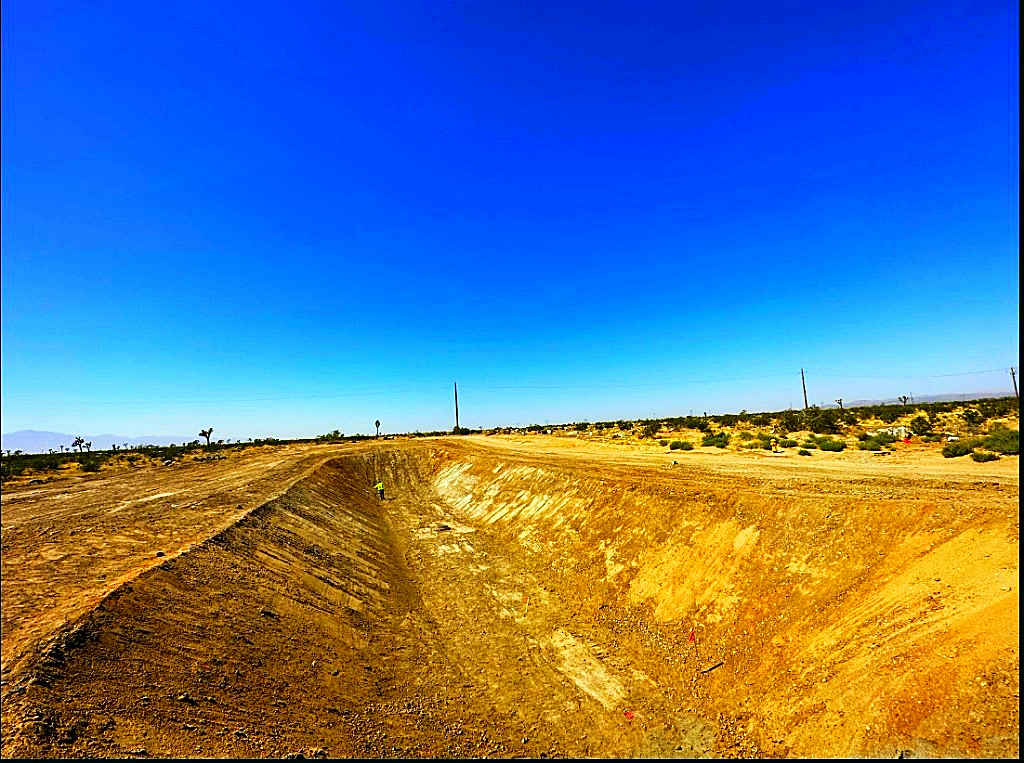
High-volume earthmoving to establish pad elevations, balance cuts and fills, and prepare large commercial parcels for structural fill placement and compaction.
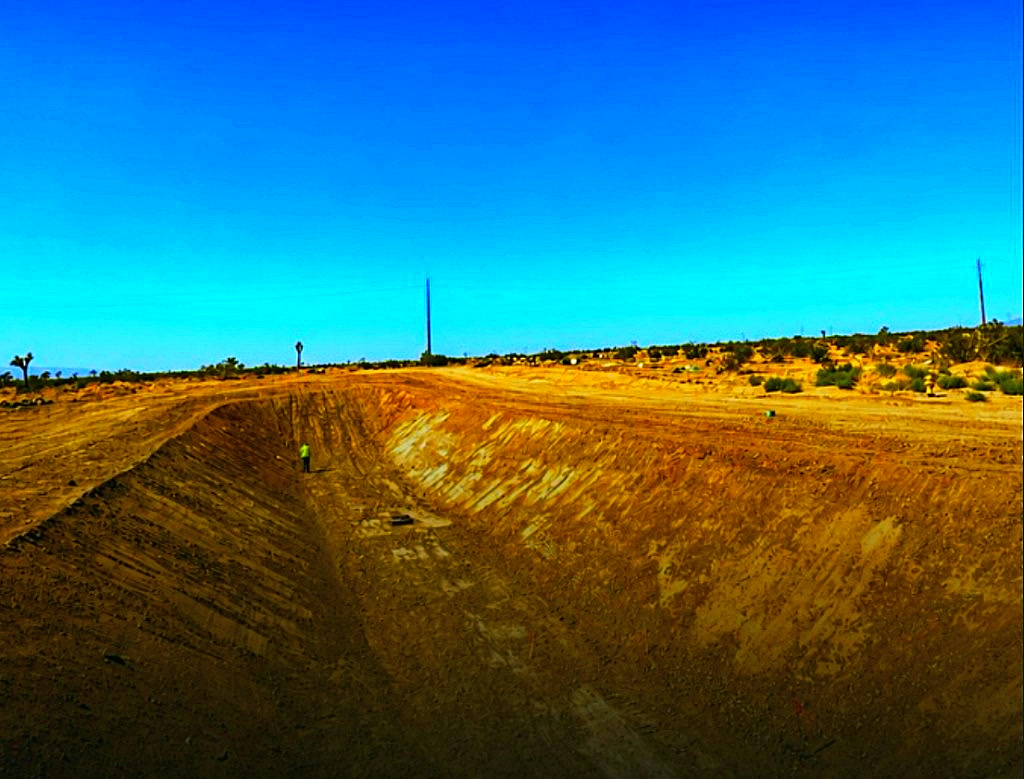
On-site cut and fill executed to civil quantities — minimizing import and export while meeting engineered pad elevations and drainage requirements.
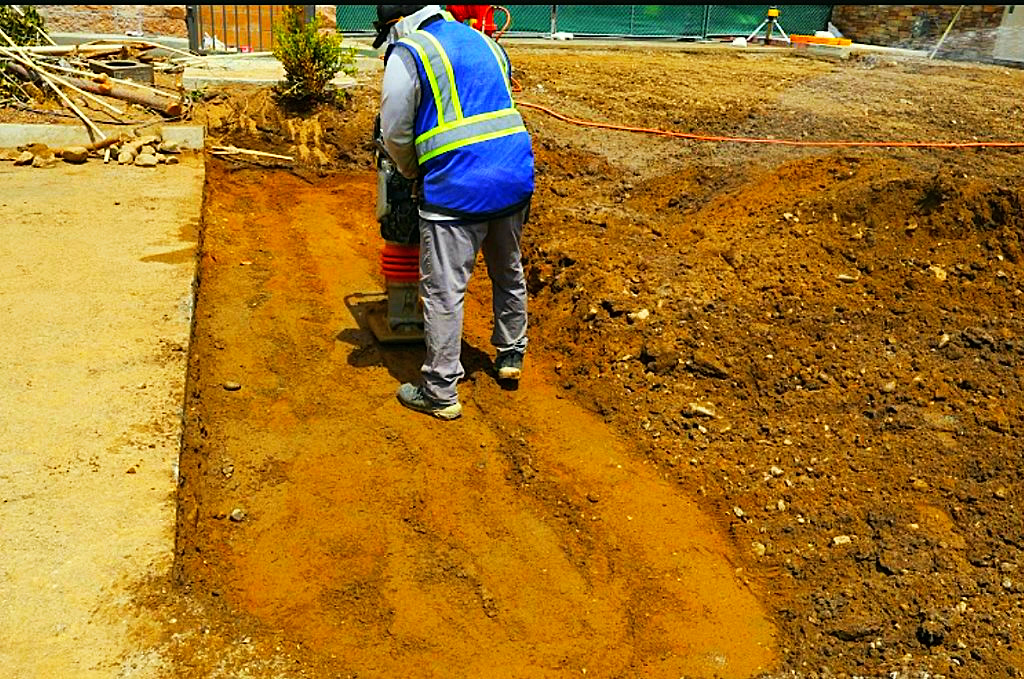
Subgrade preparation coordinated with your geotechnical engineer — including lift placement, moisture conditioning, and compaction to structural specifications before foundations begin.
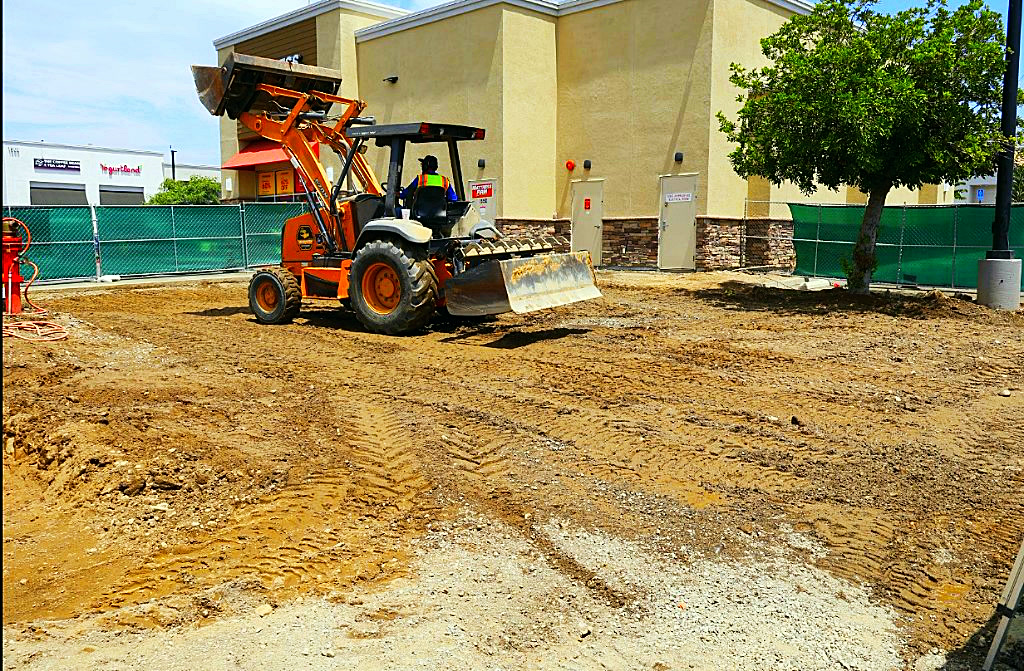
Proof-rolling, compaction testing coordination, and pad turnover documentation prepared for geotechnical sign-off and city inspector review. Placeholder — project certification examples coming soon.
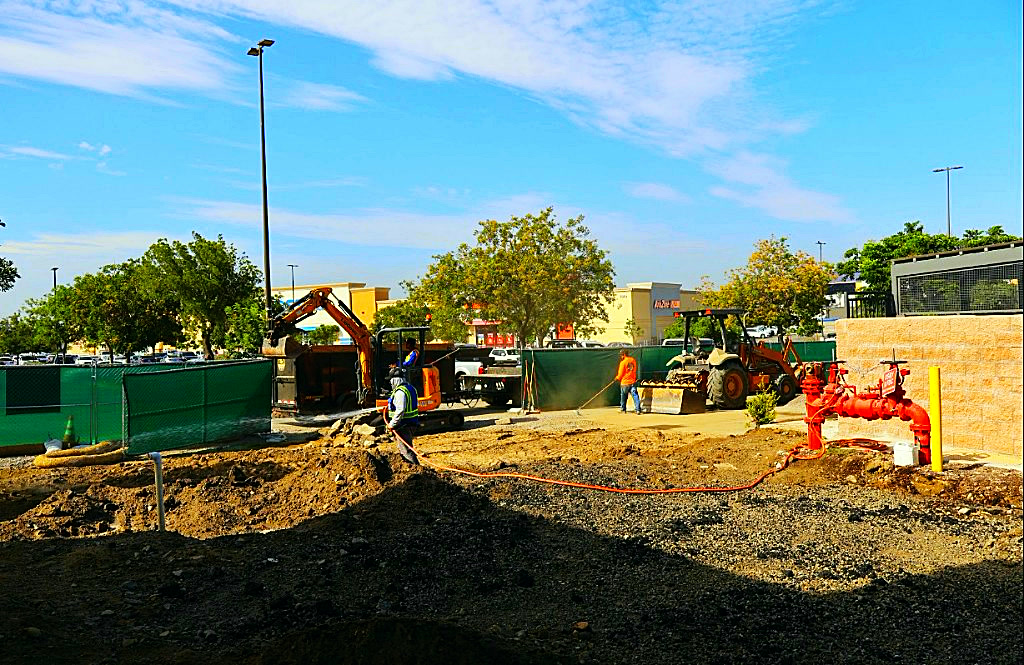
Removal of unsuitable, expansive, or contaminated soils to geotechnical depths — required when existing site soils cannot support commercial building loads without remediation.
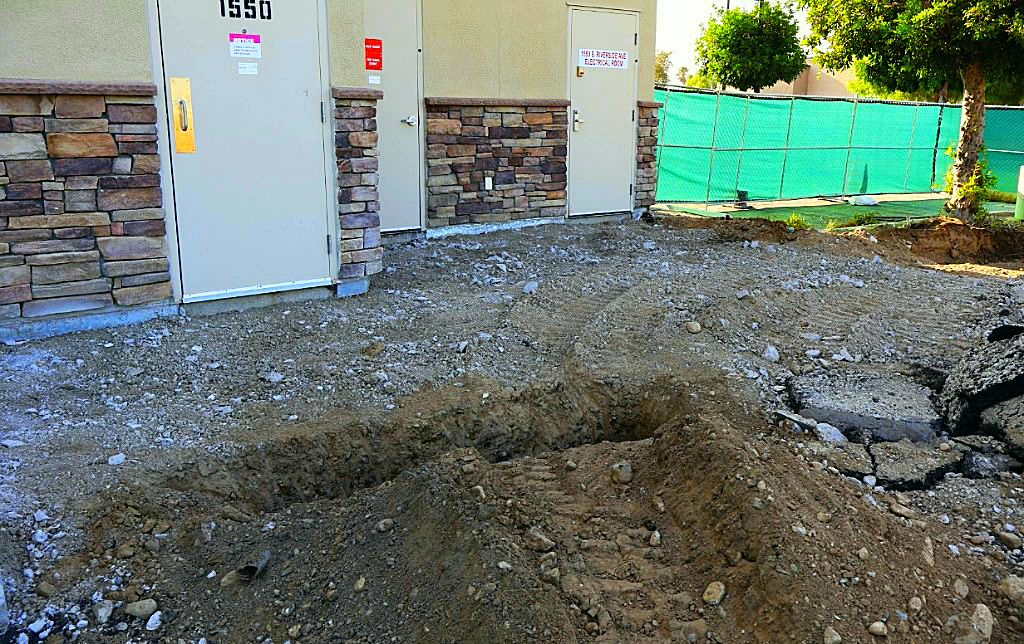
Approved structural fill placed in controlled lifts, moisture-conditioned, and compacted to specified density after over-excavation or unsuitable soil removal.
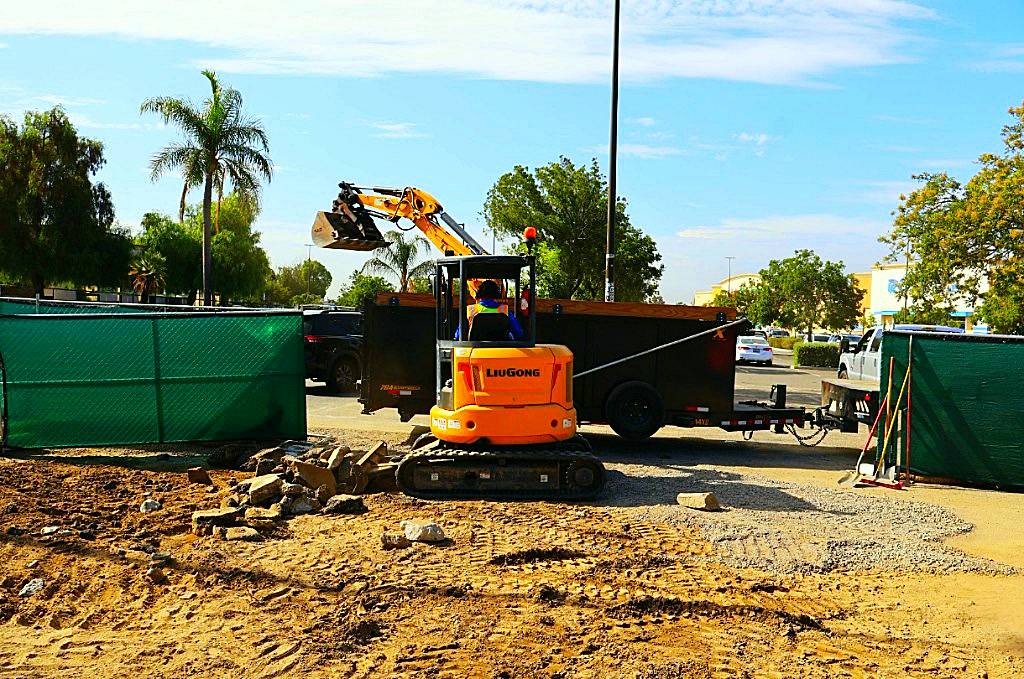
Complete pad workflow from rough grade through compaction and fine grade — delivering a certified subgrade ready for foundation layout and vertical construction.
Cut/fill balance planning and execution to keep material on-site where possible, reducing haul costs and truck traffic on commercial developments.
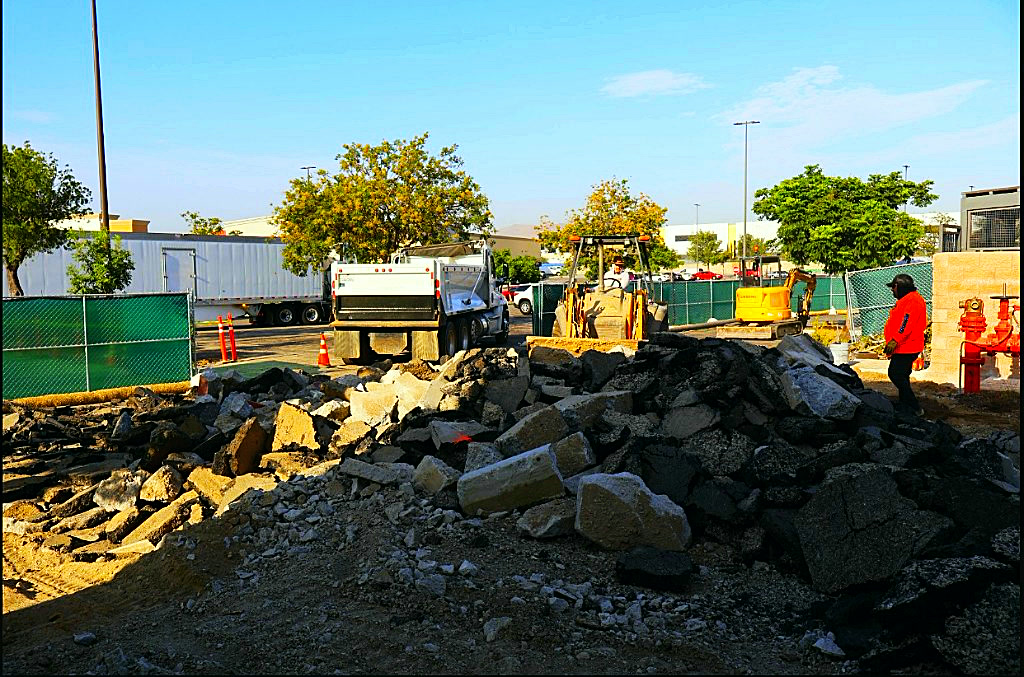
Coordinated import of approved structural fill and export of excess or unsuitable material with certified disposal facilities and permitted haul routes.
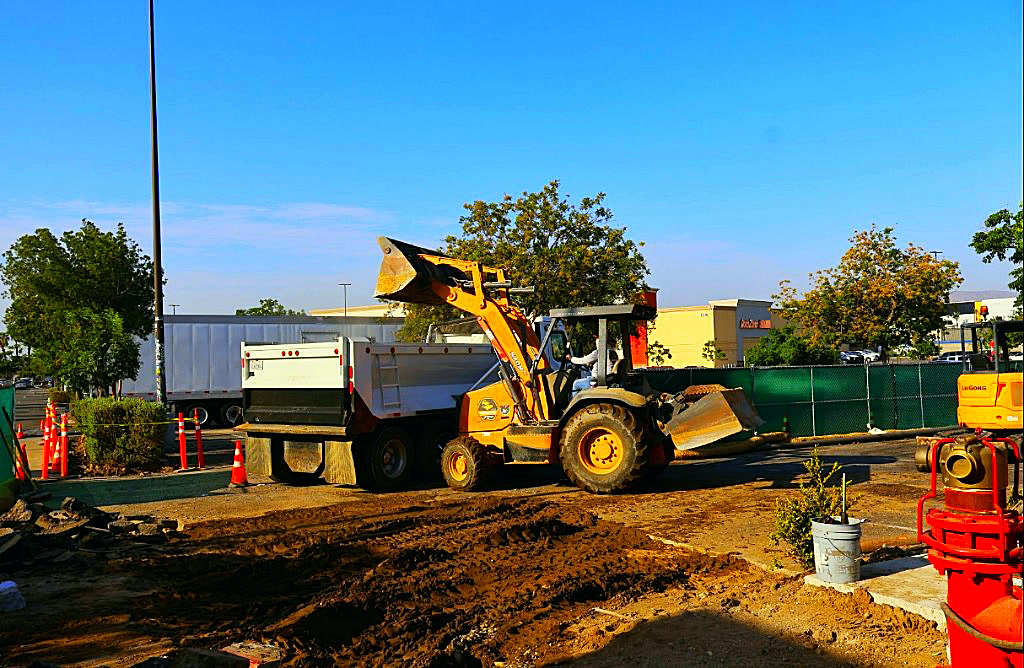
Grading and trench backfill sequenced with wet and dry utility contractors — maintaining compaction requirements at utility crossings and structure tie-ins.
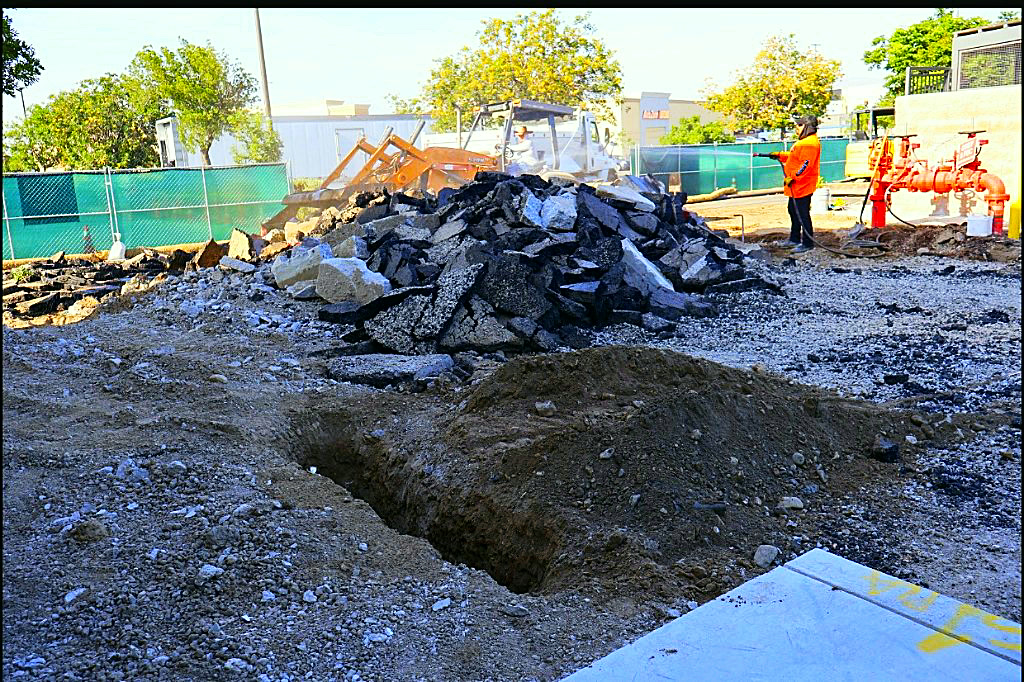
Controlled lifts, moisture conditioning, and density testing to meet structural and paving specifications. Proper compaction directly affects long-term building and pavement performance.
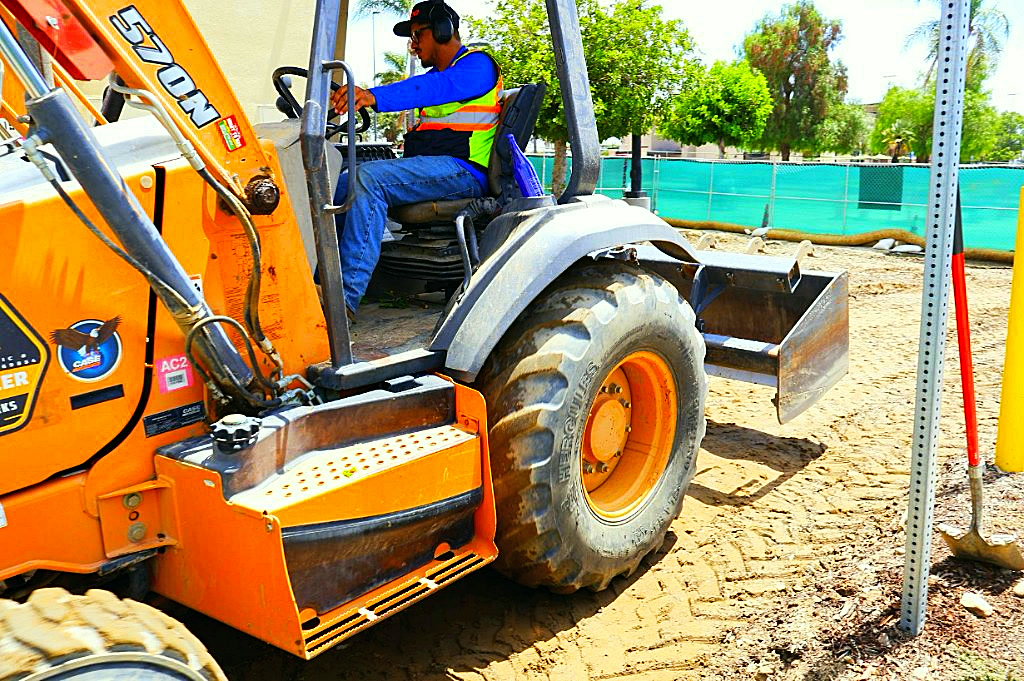
SWPPP BMP installation, track-out control, and slope stabilization maintained throughout active grading operations per agency requirements.
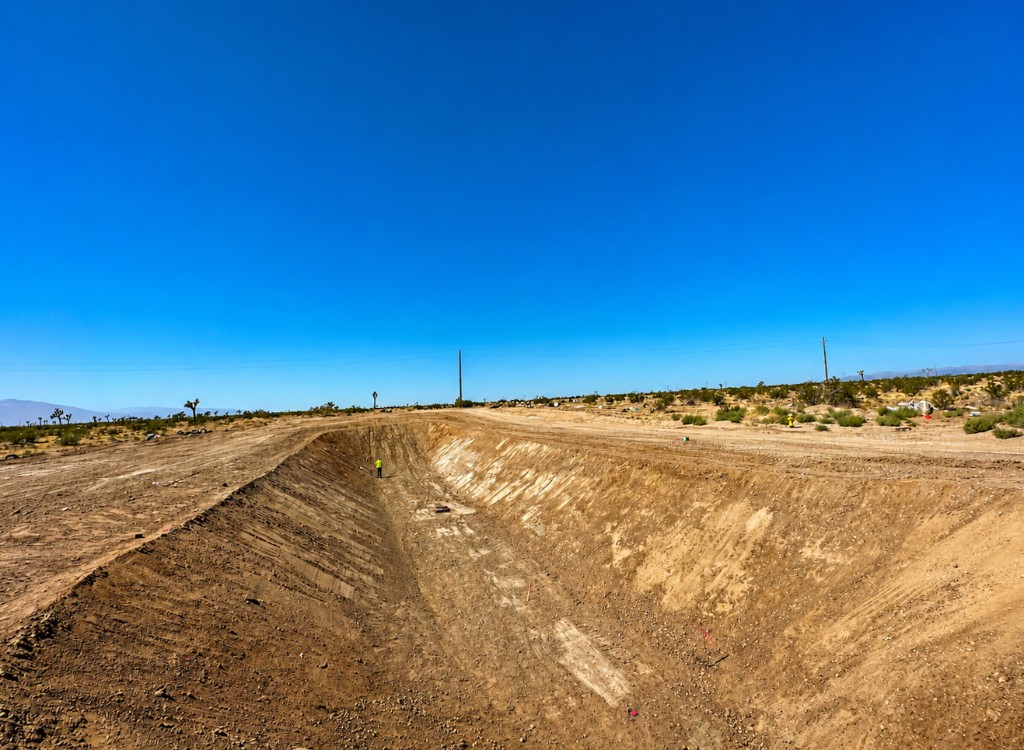
Machine-controlled finish grading for tight elevation tolerances on commercial building pads and pavement subgrades. Placeholder — equipment and project photos coming soon.
Scope
Our Process
Every commercial scope follows the same preconstruction, field execution, and closeout sequence — sequenced with your GC schedule and inspection milestones.
Site walks, plan review, specifications, estimating, and schedule alignment before mobilization.
Preconstruction
Superintendent and estimator walk the parcel with your project team. We review civil grading plans, geotechnical recommendations, SWPPP requirements, haul routes, staging limits, and adjacent operations before your bid due date — so quantities and production assumptions reflect actual field conditions.
Deep Dive
An engineered building pad is not flat ground — it is a compacted structural fill section built to geotechnical specifications. When geotechnical reports identify expansive soils, undocumented fill, or low-strength native material, over-excavation removes those soils to a specified depth. Approved structural fill is then placed in controlled lifts, moisture-conditioned to proctor targets, and compacted to a minimum percentage of maximum dry density. Each lift is tested before the next is placed.
Why does this matter? Because everything built on that pad — footings, slabs, racking systems, pavement — transfers load through the compacted subgrade. Under-compacted or improperly conditioned fill settles over time, producing differential movement, slab cracking, and structural distress. On commercial projects, pad certification is the documented proof that this work was performed correctly. Proof-rolling with a loaded rubber-tire roller identifies soft spots before foundations are laid out.
Grading also controls how water moves across the site. Rough grade establishes drainage patterns and flow lines. Finish grade confirms positive drainage away from structures and toward approved storm drain infrastructure. A site that looks level but ponds water will fail ADA review, accelerate pavement deterioration, and trigger warranty claims. Commercial grading is civil engineering executed in the field — and Mendozer X Earthworks Inc. treats it that way on every project.
Commercial developers and GCs should treat pad certification as a project milestone — not an afterthought. Proper rough grading, over-excavation, recompaction, compaction, and finish grading protect schedule, reduce change orders, and give every downstream trade a stable starting point.
Mendozer X Earthworks Inc. provides honest pre-bid quantity reviews and itemized estimates. We do not pad cut/fill volumes or recommend unnecessary export. If your site can balance on-site, needs over-excavation and recompaction, or requires a phased grading approach to hit budget, we document options upfront — with what is required to pass compaction testing and hold your vertical schedule.
Why Mendozer X
Site balance, pad layout, and drainage patterns established to civil plans before compaction and finish work begin.
GPS and laser-guided elevations to final tolerances for building pads, parking areas, and pavement subgrades.
Structural fill placed, conditioned, and compacted per geotechnical specifications — not assumed.
Unsuitable soils removed to geotech depths before recompaction and pad certification.
Lift-by-lift moisture conditioning and density testing coordinated with your soils engineer.
Grading and backfill sequenced with wet and dry utility contractors at crossings and structures.
Proof-rolling, testing coordination, and turnover documentation for geotech and inspector sign-off.
SWPPP BMPs maintained throughout grading to keep agency compliance and protect downstream trades.
Cut/fill balance planning to reduce import, export, and haul costs on large commercial parcels.
"Mendozer X Earthworks Inc. delivered our warehouse pad two days ahead of the foundation mobilization date. Clean site, accurate GPS grading, and zero punch list on earthwork."
Rough grading establishes approximate elevations, site balance, and drainage patterns across the parcel — typically within a few tenths of a foot. Finish grading brings the surface to final civil plan tolerances for compaction, paving, or foundation layout, often within hundredths of a foot using GPS or laser guidance. Commercial projects require both, executed in sequence with testing and certification between phases.
Over-excavation is required when geotechnical reports identify unsuitable soils — expansive clays, undocumented fill, low-strength native material, or contaminated soils — that cannot support commercial building loads. Material is removed to a specified depth, then replaced with approved structural fill that is moisture-conditioned, compacted, and tested before pad certification.
Pad certification is the formal sign-off by your geotechnical engineer confirming the building pad meets compaction, elevation, and proof-rolling requirements. It typically includes density test results, proof-roll observation, and as-built grade verification. Most commercial projects require pad certification before foundation layout or structural concrete can begin.
Yes. We work directly with your geotechnical engineer for compaction testing, proof-rolling observation, over-excavation depths, recompaction procedures, and pad certification. Soils engineer coordination is standard on every commercial grading project we perform.
Yes. We self-perform mass excavation and site balancing on warehouse, retail, industrial, and multifamily sites using dozers, scrapers, and articulated haul trucks with production rates sized for commercial schedules.
Compaction brings structural fill to a specified density so it can support building and pavement loads without settlement. Under-compacted fill compresses over time under load, causing differential settlement, slab cracking, and structural distress. Commercial specifications define lift thickness, moisture content, and required density — each must be verified before the next lift is placed.
Yes. Our equipment supports GPS and laser-guided finish grading on commercial building pads, parking areas, and access roads. Placeholder — detailed equipment list and project examples will be added as confirmed.
Warehouses, distribution centers, retail pads, industrial facilities, municipal improvements, office parks, and multifamily developments across the Inland Empire, Orange County, and Los Angeles County.
Yes. We routinely phase grading on occupied or partially developed commercial properties with controlled access, dust mitigation, and sequenced work areas.
We notify the GC and geotechnical engineer immediately, document failed lifts, and rework moisture conditioning and compaction to meet specified density before proceeding. Failed tests are resolved before pad certification.
Yes. Mendozer X Earthworks Inc. is a California licensed heavy civil contractor (Lic. #1069854), insured, and bonded. We work exclusively on commercial grading and earthwork for developers, GCs, municipalities, and property owners.
We serve Riverside, Banning, Temecula, San Bernardino, Rialto, Anaheim, Santa Ana, Irvine, Los Angeles, and Pasadena — plus surrounding areas across the Inland Empire, Orange County, and Los Angeles County.
Service Areas
Mendozer X Earthworks Inc. mobilizes across the Inland Empire, Orange County, and Los Angeles County for commercial excavation, grading, demolition, paving, concrete, and site development.
Get Started
Request a site walk and itemized estimate for your developer or GC-led project across Southern California.
Ready to Break Ground
Get a fast, no-obligation estimate for your next commercial project. We handle excavation, grading, demolition, paving, and concrete from the Inland Empire to LA County.