
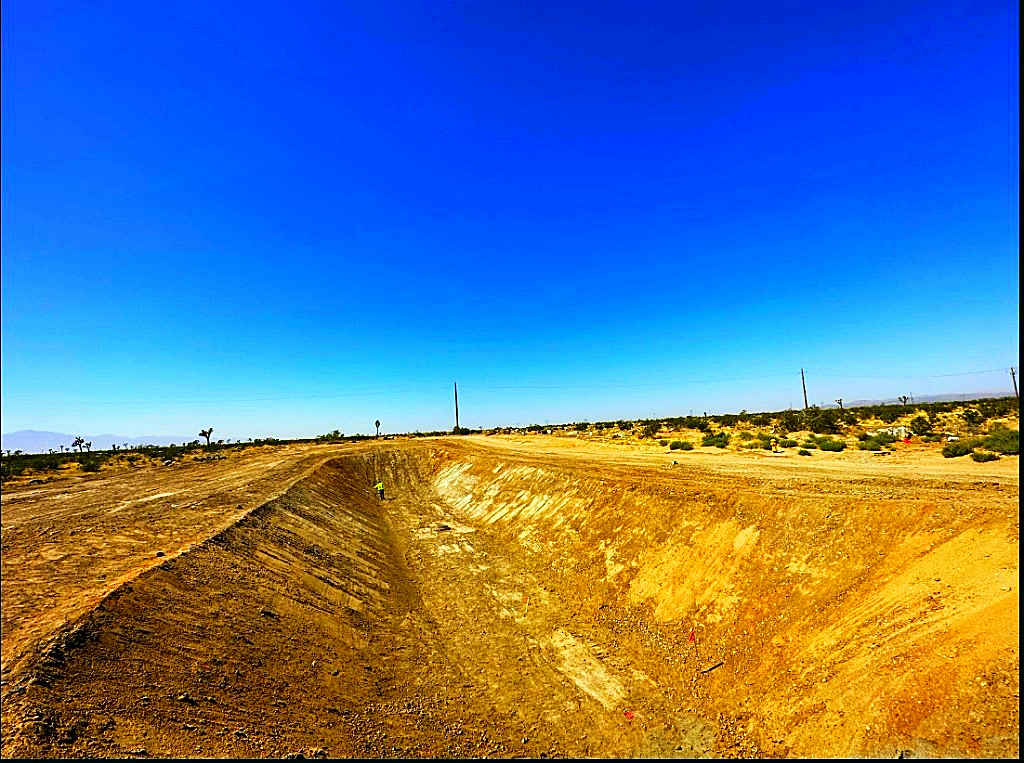
Mass Grading & Earthwork
Cut/fill balancing, mass excavation, soil compaction, and fine grading to civil engineering plans for commercial building pads and parking areas.
Commercial Site Development
Full-scope commercial site development — grading, utilities, paving, concrete, and SWPPP coordination — for developers, general contractors, and project managers. Mendozer X Earthworks Inc. delivers integrated sitework from pre-bid site walks through project handoff on warehouse, retail, industrial, and municipal projects across the Inland Empire, Orange County, and Los Angeles County.
Quick answer: Mendozer X Earthworks Inc. is a licensed commercial site development contractor in Southern California providing turnkey sitework including mass grading, utility trenching, asphalt paving, concrete flatwork, and SWPPP compliance for warehouse, retail, industrial, and municipal development projects.
Try It
Follow the integrated sitework sequence developers and GCs use to turn a raw parcel into a certificate-of-occupancy-ready site.
Milestone 1
Clear existing improvements and export debris before grading mobilizes.
Education
Commercial site development is the single largest horizontal construction scope on any ground-up project. Before a building can rise, the site must be cleared, graded, compacted, and improved with underground utilities, paving, concrete flatwork, and stormwater infrastructure. Fragmented sitework — with separate contractors for grading, utilities, paving, and concrete — creates coordination gaps, inspection delays, and finger-pointing that add weeks to the schedule.
On developer-led and GC-managed projects, site development determines when vertical construction can begin and when the property can achieve certificate of occupancy. A sitework contractor that delivers pad certification late forces structural steel, MEP, and envelope trades to idle. A paving contractor that mobilizes before utilities are backfilled and compacted delivers pavement that fails within months. Integrated site development eliminates these sequencing failures.
Southern California commercial sites add complexity: multi-agency permitting, SWPPP compliance across every sitework phase, variable soils requiring geotechnical coordination, and tight logistics on urban infill parcels. Licensed commercial site development contractors self-perform or directly manage earthwork, paving, and concrete to deliver build-ready sites on schedule and on budget.
Root Causes
Separate grading, utility, paving, and concrete contractors working without unified sequencing create inspection gaps, rework, and schedule conflicts that stall developer-led sitework.
Underground utilities trenched after final grading destroys certified pads, forces re-compaction, and pushes vertical construction mobilization past committed milestone dates.
Sitework bids that exclude erosion control, haul routes, dewatering, or import/export quantities produce change orders that inflate project cost after contract award.
Sitework phases executed without continuous BMP maintenance trigger storm season violations, agency stop-work orders, and costly remediation across the full horizontal scope.
Sitework on partially developed commercial parcels without phased access plans blocks tenant operations, delivery routes, and construction staging areas.
Horizontal improvements that miss pad certification, paving completion, or final inspection dates force structural, MEP, and envelope trades to idle on GC-managed schedules.
Warning Signs
Developers and GCs should address these warning signs before they trigger inspection holds, change orders, or schedule slips.
Your project has separate bids for grading, utilities, paving, and concrete with no single contractor accountable for integrated sequencing and inspection holds.
Pad certification, utility backfill, or paving completion is slipping — and your GC master schedule shows structural steel mobilization before the site is build-ready.
Your superintendent is spending hours mediating sequencing disputes between earthwork, utility, paving, and concrete subcontractors instead of managing vertical construction.
Underground trenching is planned after final grading and compaction testing — a sequencing error that guarantees pad destruction and re-work.
Storm season BMP failures, dust complaints, or city inspector holds are stalling sitework across multiple trades on your commercial development site.
Your project requires sitework on a partially built or tenant-occupied commercial property without a controlled phasing and access plan.
Earthwork, paving, and flatwork change orders are accumulating because initial bids excluded haul routes, erosion control, or utility coordination scope.
Certificate of occupancy or lease commencement depends on parking lot paving, curb and gutter, or storm drain completion that has not been sequenced or contracted.
Site Evaluation
Common Issues
Separate grading, utility, paving, and concrete contractors working without unified sequencing create inspection gaps, rework, and schedule conflicts on commercial sitework.
Underground utilities trenched after final grading destroys certified pads and forces re-compaction, re-testing, and schedule delays.
Sitework phases executed without continuous BMP maintenance trigger storm season violations, agency stop-work orders, and costly remediation.
Multiple sitework trades submitting separate inspection requests without coordinated hold points delay approvals and stall vertical construction mobilization.
Sitework on partially developed commercial parcels without phased access plans blocks tenant operations, delivery routes, and construction staging areas.
Sitework bids that exclude erosion control, haul routes, dewatering, or import/export quantities produce change orders that inflate project cost after contract award.
Service Breakdown
Commercial site development is the integrated construction of all horizontal improvements on a commercial property — including earthwork, underground utilities, paving, concrete flatwork, and erosion control — to deliver a build-ready site for vertical construction and tenant occupancy.
Cut/fill balancing, mass excavation, soil compaction, and fine grading to civil engineering plans for commercial building pads and parking areas.
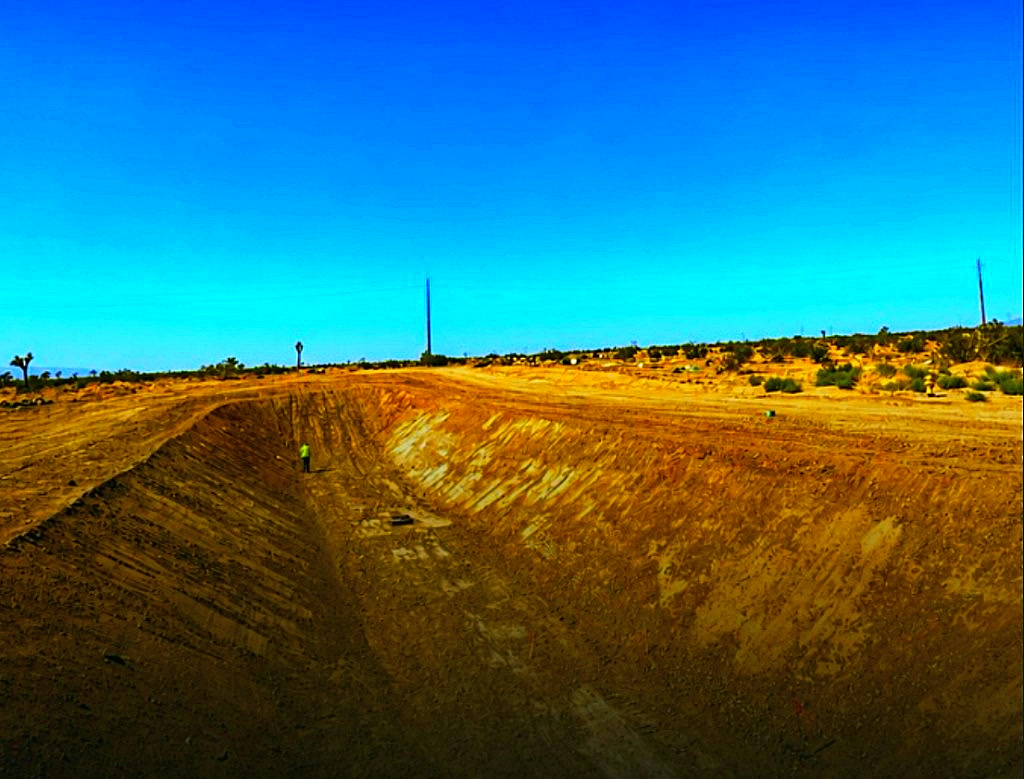
Excavation and backfill for wet and dry utilities sequenced with your underground contractor and inspection holds before paving mobilization.
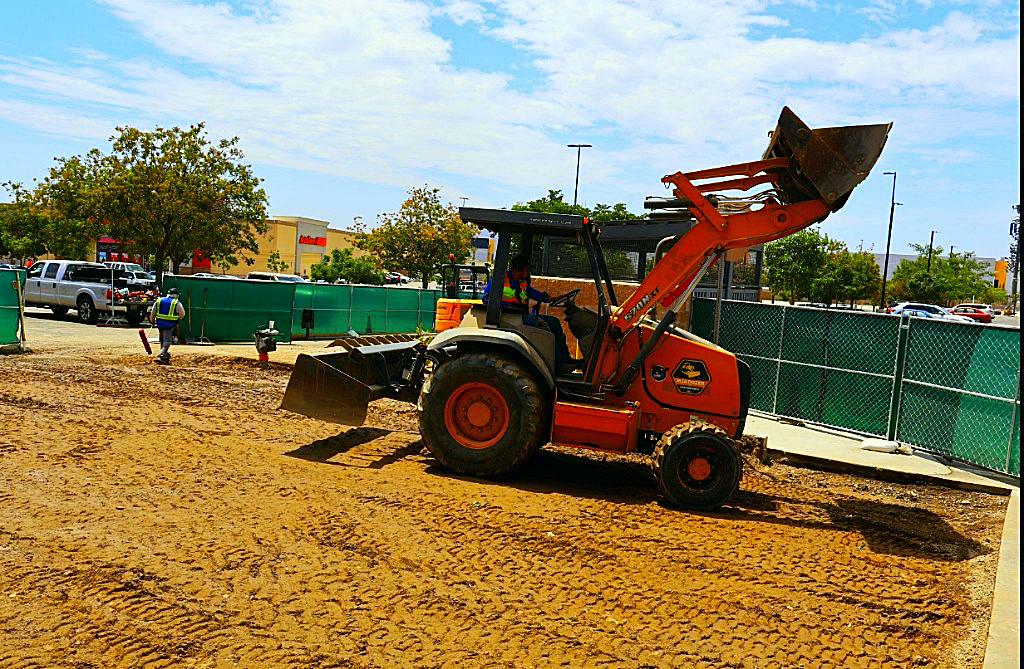
Installation of storm drain structures, catch basins, manholes, and dry utility conduit banks per civil improvement plans.
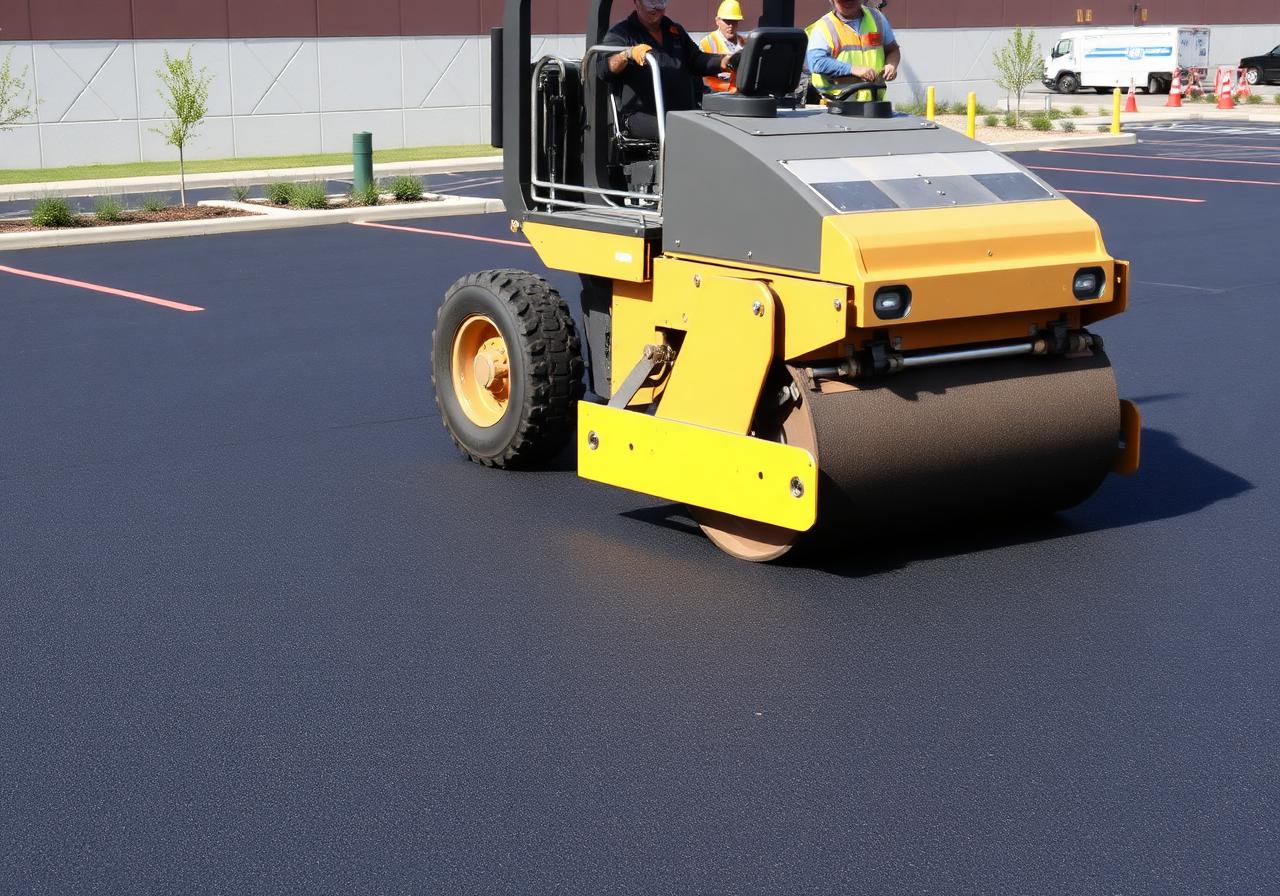
Parking lot paving, drive aisles, truck courts, and access roads with aggregate base, asphalt placement, and compaction to specification.
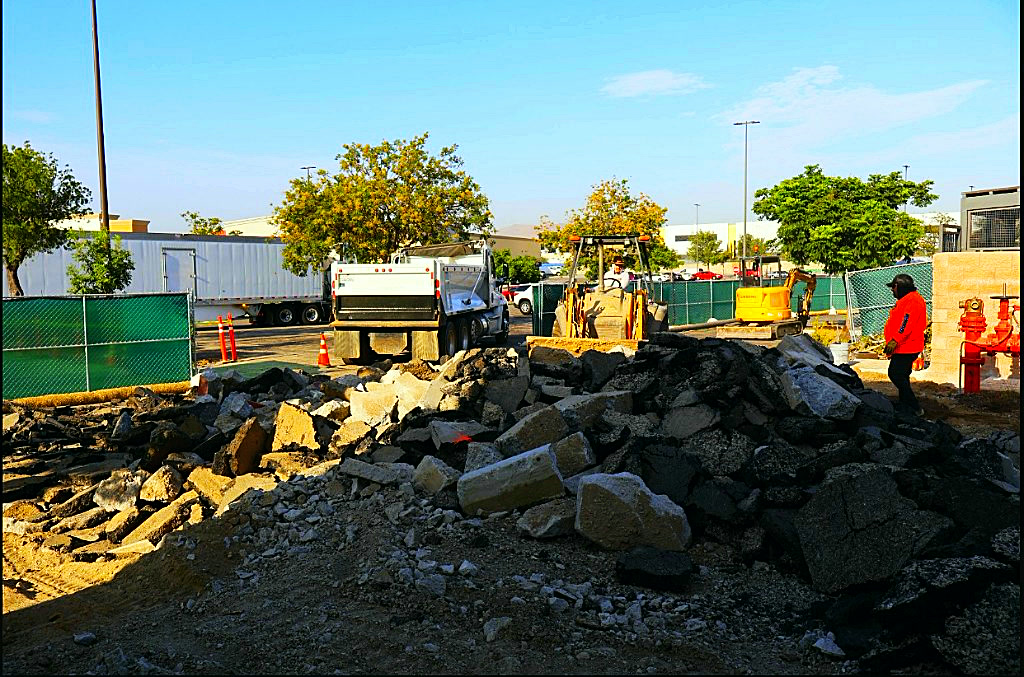
Curb and gutter, sidewalks, ADA ramps, loading dock aprons, and structural flatwork coordinated with paving and utility completion.
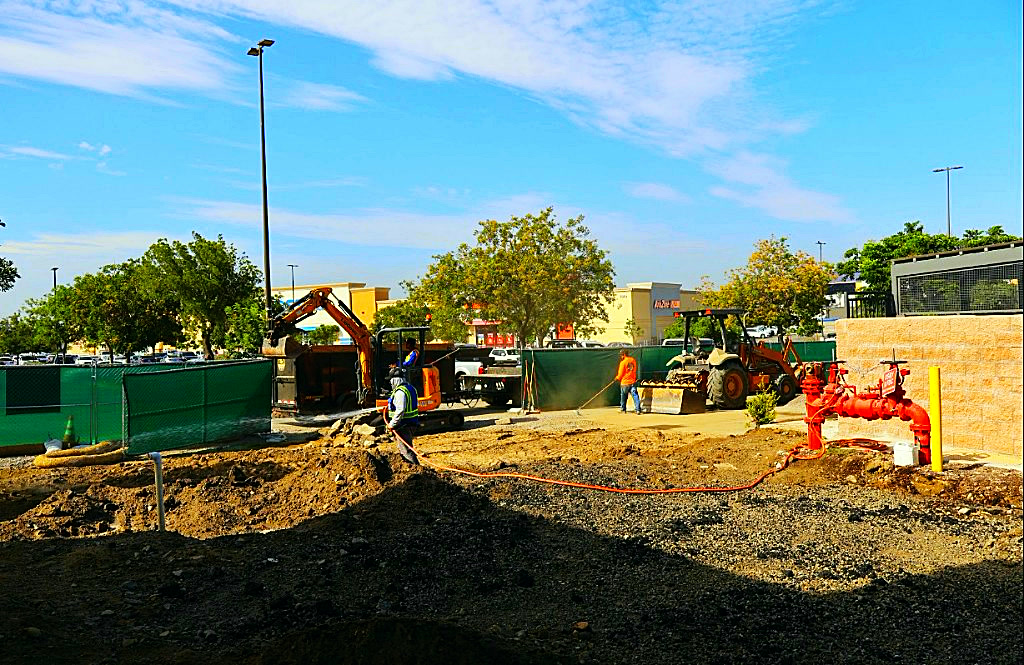
BMP installation and maintenance, dust suppression, and storm season compliance across all sitework phases per project SWPPP.
Coordinated hauling of suitable fill and export of excess or unsuitable material with certified disposal facilities and haul route permits.
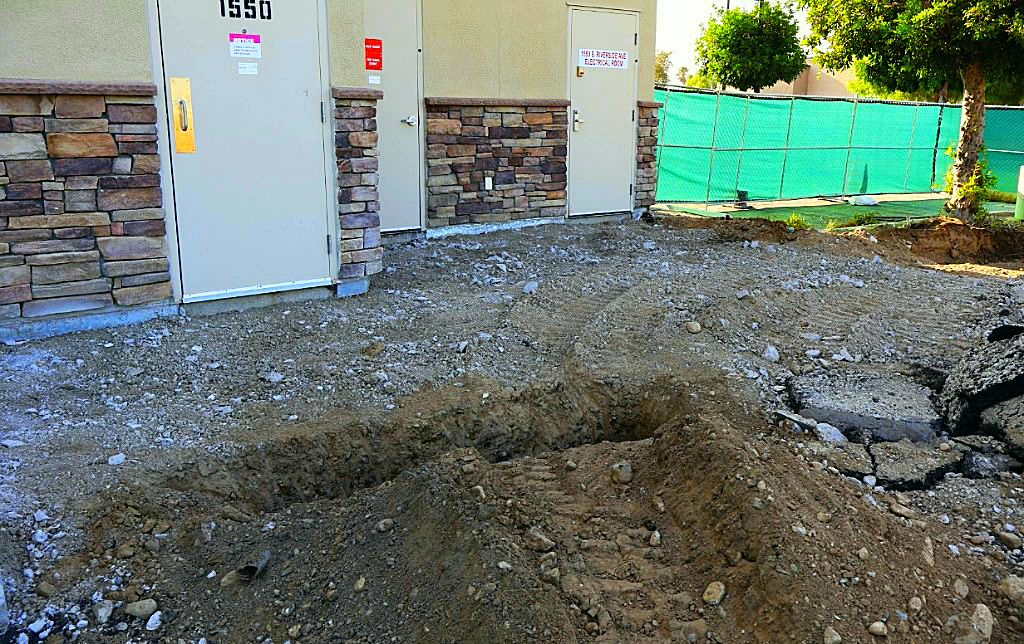
Structural demolition, foundation removal, and site clearing coordinated as the first phase of redevelopment sitework.
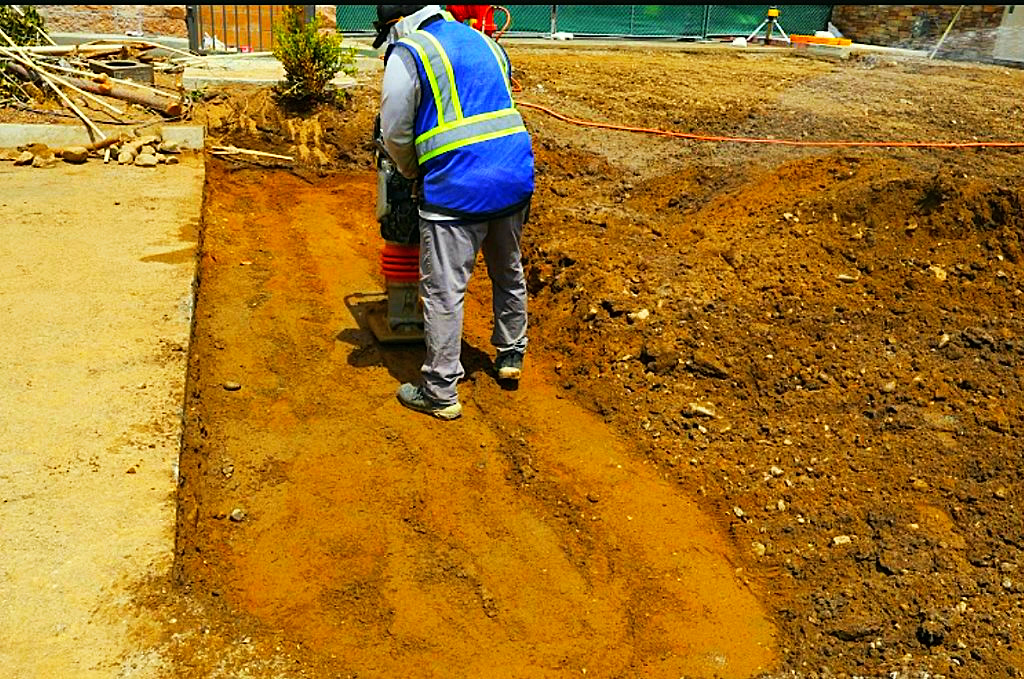
Sequenced horizontal improvements on partially developed commercial parcels with controlled access, work zones, and traffic control plans.
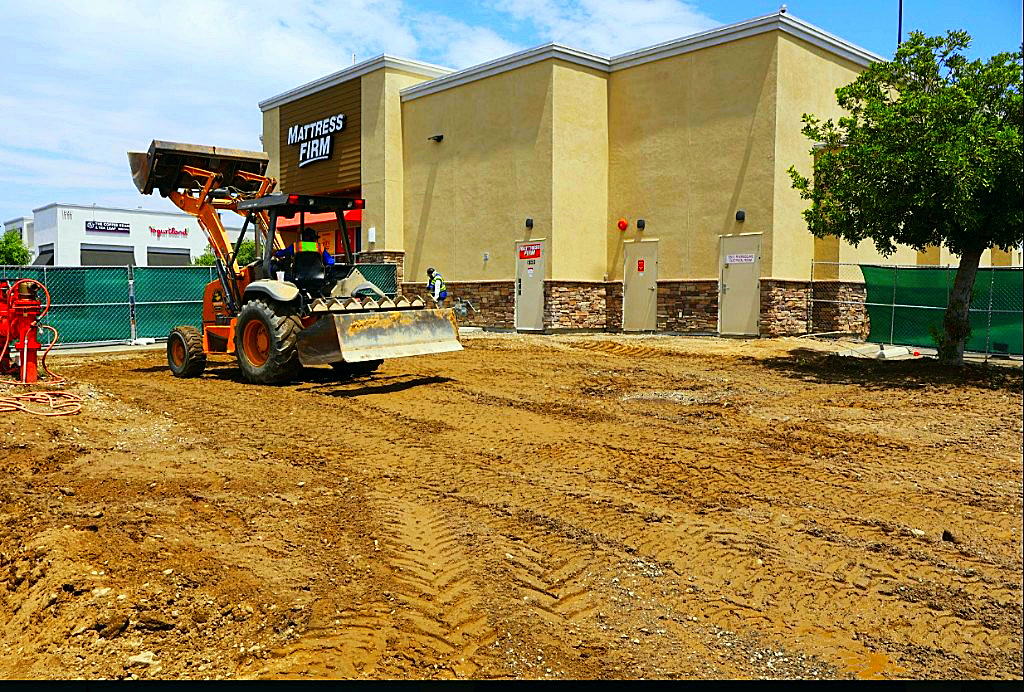
Single-point sitework accountability aligned with developer milestones, entitlement schedules, and GC master construction timelines.
Scope
Our Process
Every commercial scope follows the same preconstruction, field execution, and closeout sequence — sequenced with your GC schedule and inspection milestones.
Site walks, plan review, specifications, estimating, and schedule alignment before mobilization.
Preconstruction
Superintendent and estimator walk the parcel with your project team. We review civil grading plans, geotechnical recommendations, SWPPP requirements, haul routes, staging limits, and adjacent operations before your bid due date — so quantities and production assumptions reflect actual field conditions.
Deep Dive
Commercial site development involves a dozen interdependent scopes — grading must precede utility trenching, utilities must be backfilled and compacted before paving, paving must be complete before striping, and concrete flatwork must tie into both drainage structures and pavement transitions. When each scope is awarded to a separate subcontractor, the GC becomes the coordination layer for sequencing, inspection holds, and conflict resolution. Every handoff between trades is a schedule risk.
Integrated site development places earthwork, paving, and concrete under a single contractor with unified production scheduling, shared equipment mobilization, and one superintendent accountable for the entire horizontal scope. Utility trenching is sequenced with grading — not after it. Paving mobilizes when base courses are certified — not before. Concrete flatwork pours align with curb and gutter profiles — not against them. The result is fewer inspection failures, fewer change orders, and a faster path to build-ready status.
On Southern California commercial sites, integrated sitework also simplifies SWPPP compliance and agency coordination. A single contractor maintains BMPs continuously across grading, utility, paving, and concrete phases — rather than each trade installing and removing erosion controls independently. One point of contact for city inspectors, one set of daily reports, and one production schedule that the GC can rely on for vertical construction mobilization dates.
Commercial developers and GCs should evaluate sitework as a single integrated scope — not a collection of separate bids. Turnkey site development with a licensed heavy civil contractor reduces coordination overhead, protects schedule, and delivers build-ready sites faster than fragmented subcontracting.
Mendozer X Earthworks Inc. provides honest pre-bid walks and integrated sitework estimates across grading, utilities, paving, and concrete. We do not pad scope or recommend unnecessary horizontal work. If your development needs a phased approach or a narrower sitework scope to hit budget, we will tell you upfront — and document what is required to achieve build-ready status and hold your vertical mobilization date.
Why Mendozer X
One contractor responsible for grading, utilities, paving, and concrete — eliminating cross-trade coordination gaps.
Integrated sequencing from raw lot to certified improvements without waiting on separate trade mobilizations.
Comprehensive pre-bid quantity review across all sitework scopes reduces mid-project surprises and budget overruns.
Continuous BMP maintenance and dust control across every sitework phase by one crew and superintendent.
Sitework milestones mapped directly to vertical construction mobilization and certificate of occupancy dates.
California licensed heavy civil contractor (Lic. #1069854), insured, and bonded for commercial site development contracts.
"Mendozer X Earthworks Inc. coordinated our full commercial sitework — grading, utilities, paving, and flatwork — under one superintendent. The site was build-ready ahead of our vertical mobilization with zero cross-trade coordination issues."
Commercial site development is the integrated construction of all horizontal improvements on a commercial property — including grading, underground utilities, paving, concrete flatwork, erosion control, and stormwater infrastructure — to deliver a build-ready site for vertical construction and tenant occupancy.
Yes. We deliver integrated site development including mass grading, utility trenching, asphalt paving, concrete flatwork, and SWPPP compliance under a single contract with unified scheduling and superintendent oversight.
Integrated sitework eliminates coordination gaps between grading, utility, paving, and concrete contractors. One contractor manages sequencing, inspection holds, and SWPPP compliance — reducing schedule risk, change orders, and GC coordination overhead.
Yes. We self-perform mass excavation, cut/fill balancing, soil compaction, and fine grading using owned dozers, excavators, scrapers, and articulated trucks with production rates sized for commercial schedules.
Yes. We excavate and backfill utility trenches for wet and dry utilities, sequenced with your underground contractor and inspection holds. We coordinate storm drain structures, catch basins, and conduit banks per civil plans.
Yes. Asphalt paving and concrete flatwork are standard scopes within our commercial site development packages — sequenced after utility backfill certification and coordinated with striping and final inspection.
We install and maintain BMPs continuously across grading, utility, paving, and concrete operations. One crew manages erosion controls, dust suppression, and storm season protocols per project SWPPP requirements.
Yes. We routinely execute phased sitework on occupied and partially developed commercial parcels with controlled access, sequenced work zones, and traffic control plans that maintain tenant and construction operations.
Warehouses, distribution centers, retail centers, office parks, industrial facilities, municipal improvements, and multifamily podiums across the Inland Empire, Orange County, and Los Angeles County.
Duration depends on acreage, improvement scope, soil conditions, permitting timelines, and phasing requirements. We provide realistic integrated schedules during the estimate phase based on site-specific quantities and GC milestones.
Yes. We work directly with your civil engineer for grading, utility, and paving plans, and with your geotechnical engineer for compaction testing, pad certification, and subgrade preparation requirements.
We serve the Inland Empire, Orange County, and Los Angeles County — including Riverside, Corona, Ontario, Rancho Cucamonga, San Bernardino, Anaheim, Irvine, Orange, Los Angeles, and Long Beach.
Service Areas
Mendozer X Earthworks Inc. mobilizes across the Inland Empire, Orange County, and Los Angeles County for commercial excavation, grading, demolition, paving, concrete, and site development.
Get Started
Request a site walk and itemized estimate for your developer or GC-led project across Southern California.
Ready to Break Ground
Get a fast, no-obligation estimate for your next commercial project. We handle excavation, grading, demolition, paving, and concrete from the Inland Empire to LA County.